There’s something unsettling about turning on the kitchen faucet and noticing that the water doesn’t look quite right. Maybe it has a rusty tint, smells unfamiliar, or contains tiny particles floating around in the glass. Suddenly, something as ordinary as making a cup of tea becomes a cause for concern.
Water quality problems can develop gradually or appear without much warning. For homeowners across Vancouver Island, the underlying causes may involve groundwater conditions, ageing plumbing, municipal supply changes, or poorly maintained treatment equipment.
Knowing what these changes might indicate can help you respond appropriately. Sometimes, the explanation is relatively harmless. Other situations require proper testing and professional attention.
Either way, understanding what’s happening is far more useful than simply hoping the problem disappears.
Why Your Tap Water Might Look Cloudy or Change Colour
Discovering cloudy or discolored water can be alarming, particularly when your household supply has always appeared perfectly clear.
Cloudiness sometimes results from tiny air bubbles trapped in the water. Fill a transparent glass and leave it undisturbed for a moment. If the water gradually clears from the bottom upward, trapped air may be responsible.
Persistent cloudiness, however, deserves further investigation.
Brown or reddish water may indicate iron, disturbed sediment, or corrosion within plumbing components. Dark staining can sometimes be associated with manganese, although testing is necessary to confirm the cause.
Related brief: Improving Water Quality at Home and Work: Finding Solutions That Make Everyday Life Better
Notice whether the discolouration affects both hot and cold water. If it occurs only when using hot water, the water heater may require attention.
These small observations can provide useful information when discussing the problem with a water treatment specialist or plumber.
Unpleasant Smells and Floating Particles Aren’t Always Connected
A strange smell coming from the kitchen sink doesn’t necessarily mean the same thing as visible particles in your drinking water.
Many water odor and sediment issues originate from different sources, even when they appear around the same time.
A rotten egg smell may be associated with hydrogen sulfide or certain bacterial activity. A metallic taste or smell could involve dissolved minerals or plumbing corrosion.
Sediment, meanwhile, may enter the supply through groundwater, deteriorating pipes, or disturbances within the distribution system.
One useful observation is whether the smell comes from the water itself or the sink drain. Fill a clean glass, move away from the sink, and check whether the odour remains without tasting the water.
It sounds simple, but this can help distinguish a plumbing drainage problem from a potential water supply concern.
When Water Problems Go Beyond Everyday Inconveniences
Some water problems are mainly aesthetic. Others can involve more serious health considerations.
Addressing home water quality concerns responsibly means recognizing that harmful contaminants don’t always produce noticeable changes in taste, appearance, or smell.
Water containing certain microorganisms, nitrates, or dissolved contaminants may look perfectly normal.
Private well owners should arrange regular laboratory testing because they’re responsible for monitoring their own water supply.
Municipal water customers can review information from their local supplier and contact the utility when unexpected changes occur.
If contamination is suspected, avoid drinking the affected water until appropriate guidance is available. Follow recommendations from your local health authority regarding alternative drinking water sources, testing, and treatment.
Choosing Filtration Equipment That Addresses the Actual Problem
Walk through a water equipment catalogue, and you’ll find an impressive selection of filters and treatment systems. The challenge is figuring out which technology will genuinely help.
Sediment filters capture suspended particles and can protect other water treatment components from debris.
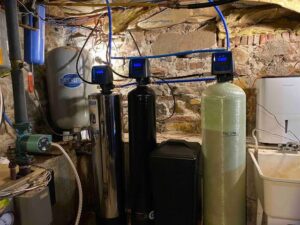
Activated carbon filtration may help reduce particular chemical tastes and odours. Specialized treatment equipment may be necessary for excessive iron or manganese concentrations.
Ultraviolet disinfection serves a different purpose, helping inactivate susceptible microorganisms when equipment is properly selected and maintained.
Reverse osmosis can reduce various dissolved substances, depending on the system’s verified capabilities.
No single technology addresses every possible water problem. That’s why reliable testing should guide equipment selection rather than advertising claims or recommendations from neighbours whose water conditions might be entirely different.
Why Seasonal Changes Matter for Private Well Owners
Vancouver Island’s changing weather can influence water management throughout the year.
Heavy rainfall, flooding, and nearby ground disturbances may affect vulnerable wells. During drier periods, changes in groundwater availability can introduce additional challenges.
Homeowners should pay attention to noticeable changes following unusual weather conditions or maintenance work involving their wells.
Inspecting well components, arranging appropriate laboratory testing, and maintaining treatment equipment can help identify emerging concerns.
It’s particularly important to investigate repeated changes rather than dismissing them as seasonal inconveniences.
A recurring problem may indicate that part of the water supply system needs professional attention.
Small Maintenance Tasks Can Prevent Bigger Frustrations
Sometimes, poor water quality develops because existing equipment hasn’t received enough attention.
An overdue filter replacement, accumulated sediment inside a treatment unit, or deteriorating plumbing components can contribute to recurring problems.
Follow manufacturer maintenance recommendations, keep track of cartridge replacement dates, and investigate unusual changes in water flow.
For properties with pumping equipment, periodic inspections can also help identify operational concerns before they become more disruptive.
Keeping previous water test results provides a useful reference when conditions change.
These aren’t particularly exciting household responsibilities, admittedly. But they’re often easier and less expensive than dealing with neglected equipment later.
Restoring Confidence in Your Household Water
Nobody wants to question the quality of their water every time they turn on a faucet. Fortunately, understanding unusual changes and investigating their causes can help homeowners make better treatment decisions.
For Vancouver Island residents, reliable testing, suitable filtration equipment, and consistent maintenance provide a sensible foundation for managing household water.
Start by paying attention to what has changed rather than rushing to purchase a new system.
Sometimes, the solution is a straightforward repair. Other situations require specialized treatment.
Whatever the circumstances, dependable water begins with understanding the problem. And there’s real comfort in knowing that the water supporting your everyday life receives the care and attention it deserves.