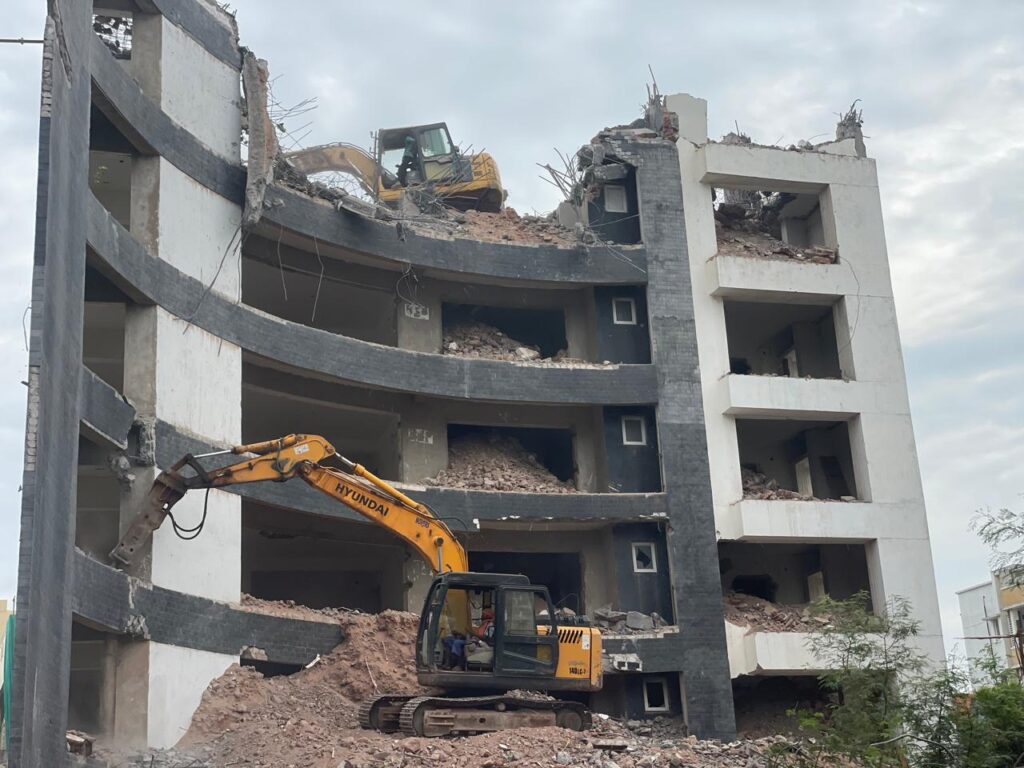
A busy job site rarely stays tidy for long. One day, everything seems under control; the next, scraps of timber, broken drywall, packaging, and discarded materials are scattered across the work area. It happens quickly, especially when several crews are working toward the same deadline. While waste may seem like a small part of the overall job, managing it properly can make a noticeable difference to safety, productivity, and the way a project runs.
Good waste removal isn’t simply about getting rid of unwanted materials. It’s about planning ahead, keeping work areas accessible, and making sure debris doesn’t become an obstacle. With the right approach, contractors can spend less time dealing with clutter and more time getting the actual work done.
Why Waste Planning Matters Before Work Begins
Every building site produces waste, but the amount and type depend on the work being carried out. A small residential build may generate timber offcuts, cardboard, and packaging, while a large commercial site can produce substantial quantities of concrete, metal, insulation, and mixed debris.
Planning for construction projects should include a realistic estimate of the waste likely to be generated. Contractors don’t need to predict every piece of scrap, of course, but they should consider the project’s size, the materials involved, and the expected work schedule. This gives them a better idea of the container capacity and collection frequency they may need.
It’s also helpful to decide where waste will be collected before deliveries and equipment begin arriving. A suitable collection area should be accessible to workers and service vehicles without blocking entrances, emergency routes, or other essential parts of the site. A little thought at the beginning can prevent plenty of unnecessary rearranging later.
Related brief: Siding in Iowa City, IA: How to Maintain a Durable and Attractive Exterior
Choosing a Dumpster That Fits the Job
Selecting the right container is one of the simplest ways to keep a worksite manageable. A dumpster that’s too small may fill before the next scheduled pickup, leaving debris piled nearby. One that’s much larger than necessary can take up valuable space and may cost more than the project requires.
The best choice depends on the volume and type of waste, the available space, and how quickly materials will accumulate. Smaller containers may work for limited interior work or compact jobs, while larger roll-off dumpsters are often useful for substantial cleanouts and major building activity.
Before arranging delivery, ask the provider about container dimensions, weight limits, accepted materials, and placement requirements. Some materials, including concrete and soil, can become heavy long before a container looks full. Understanding these restrictions helps prevent overloading and unexpected service delays.
Access matters just as much as capacity. The truck needs enough room to deliver and collect the container safely. If the site is narrow or surrounded by parked vehicles, discuss the layout with the provider before scheduling service. It’s far easier to make room in advance than to discover that a full dumpster cannot be collected.
Managing Debris During Demolition and Renovation
Waste handling becomes especially important when an existing structure is being taken apart. Old fixtures, plaster, timber, flooring, and damaged building materials can accumulate rapidly, and some materials may require special handling.
During demolition work, separating debris where practical can make disposal more efficient. Scrap metal, clean timber, concrete, and certain recyclable materials may have different disposal options from mixed waste. Local rules and facility requirements vary, so contractors should confirm what can be accepted before loading the container.
Safety should remain the priority. Workers need clear paths around equipment, stable areas for moving materials, and appropriate protective equipment for the task. Broken glass, exposed nails, sharp metal, and dusty debris can create hazards when left scattered across the site. Regular cleanup helps reduce those risks and makes it easier to notice problems before someone gets hurt.
Projects involving older buildings may also require additional caution. Materials such as asbestos-containing products or lead-based paint debris should never be treated as ordinary construction waste. If hazardous materials are suspected, stop and arrange appropriate assessment and handling in line with applicable regulations.
For renovations, the waste plan should reflect the stages of the work. Kitchen and bathroom upgrades may generate bulky cabinets, tiles, fixtures, and packaging, while flooring replacement can produce a large volume of material in a short period. Coordinating container service with these stages helps keep the site functional without paying for unnecessary pickups.
Keeping Workers and Work Areas Safer
A clean site is easier to navigate. Workers can move materials more efficiently when walkways are clear, tools are stored properly, and waste is removed before it begins to interfere with daily tasks. This becomes particularly important when subcontractors, delivery drivers, and inspectors are moving through the same areas.
Establishing simple cleanup routines can make a real difference. Crews might collect offcuts at the end of each shift, place packaging in designated areas, and remove loose debris from access routes throughout the day. These habits don’t need to be complicated, but they do need to be consistent.
Site supervisors should also make sure workers know what belongs in each container. Clear signs or a short toolbox discussion can reduce accidental mixing of materials and help prevent prohibited items from being discarded incorrectly. When everyone understands the process, waste management becomes part of the normal workflow rather than another task people forget about.
Scheduling Pickups Without Slowing Progress
A dumpster only helps while there’s enough room to use it. If collections are too infrequent, the container may fill up at a critical point in the schedule. If pickups happen too often, the project may incur avoidable costs.
Consider the pace of work when arranging service. A period of heavy demolition may require more frequent collections than a finishing stage where waste is mostly packaging and small offcuts. Keeping in touch with the provider allows the schedule to be adjusted when the project changes.
It’s wise to ask about lead times for delivery, exchanges, and final collection. Weather, traffic, and busy construction seasons can affect availability, so leaving everything until the last minute isn’t always practical. A little flexibility in the plan can help crews avoid downtime and keep the work moving.
Controlling Costs Through Better Waste Practices
Waste removal costs are influenced by container size, rental duration, collection frequency, material type, and weight. Contractors can manage these expenses by estimating needs carefully, avoiding overloading, and separating recyclable materials when suitable facilities are available.
Keeping the container accessible and loading it sensibly can also reduce avoidable complications. Heavy materials should be distributed appropriately, and workers should follow the provider’s loading instructions. Never exceed the stated fill line or weight limit simply to avoid arranging another collection.
Before booking, request a clear estimate that explains rental charges, pickup fees, accepted materials, and potential additional costs. A transparent quote makes budgeting easier and helps prevent disagreements when the project is complete.
A More Organized Site Starts With a Better Plan
Construction work will always create some mess. The goal isn’t to eliminate waste entirely, but to manage it in a way that supports the people doing the work. A suitable container, sensible placement, regular cleanup, and reliable collection schedule can all contribute to a safer, more productive job site.
Take time to assess the project before choosing a waste solution, and adjust the plan as work progresses. When waste removal is treated as part of project planning rather than an afterthought, crews can work with fewer interruptions, supervisors can maintain better control, and the entire site becomes easier to manage.
In the end, good organization often comes down to practical decisions made early. Keeping debris under control may not be the most visible part of a successful build, but it helps create the conditions for everything else to go right.