Most homeowners don’t think much about water until it starts causing little frustrations. Maybe the shower door is covered in white spots no matter how often you clean it. Your dishwasher leaves glasses looking cloudy instead of sparkling, or your favorite black shirt fades faster than it should after a few washes.
None of these things seem like major issues on their own. But together, they can make everyday life a little more difficult than it needs to be.
The surprising part is that these small annoyances often point to the same underlying cause—hard water.
While hard water isn’t usually considered dangerous to drink, it can quietly affect your plumbing, appliances, cleaning routine, and overall comfort. The good news is that once you understand what’s happening, improving your home’s water quality becomes much easier.
What Exactly Is Hard Water?
Hard water simply contains higher levels of naturally occurring minerals, primarily calcium and magnesium. As groundwater moves through layers of rock and soil, it dissolves these minerals before eventually reaching your home’s plumbing system.
Because mineral levels vary by location, one neighborhood may experience very different water conditions than another. Even homes using private wells often have completely unique water characteristics.
Many people live with hard water for years without realizing it.
Instead, they assume constant cleaning, appliance maintenance, and mineral stains are just normal parts of homeownership.
In reality, they often aren’t.
The Signs Are Easy to Miss at First
Hard water rarely announces itself overnight.
Instead, the symptoms gradually become part of everyday life.
Related brief: Why Whole-Home Water Filtration Is One of the Smartest Upgrades for a Healthier Home
Soap doesn’t lather quite as well as it used to. Bathroom fixtures collect stubborn white deposits. Towels feel rough after washing, while shampoo seems harder to rinse from your hair.
Appliances may also begin showing signs of wear.
Water heaters work harder because minerals build up inside the tank. Dishwashers become less efficient, and washing machines slowly collect scale that affects long-term performance.
Because these changes happen slowly, they’re easy to overlook.
Until repair bills begin arriving.
Why water softening systems Make Such a Difference
One of the most effective ways to address mineral-related issues is through water softening systems designed specifically for your home’s water conditions.
Rather than treating the symptoms after they appear, softening systems remove hardness minerals before they circulate through your plumbing.
That simple change has surprisingly wide-reaching benefits.
Water heaters remain cleaner internally. Soap performs more effectively. Laundry feels softer. Glassware dries with fewer spots, and plumbing experiences less mineral accumulation over time.
Perhaps the biggest advantage is consistency.
Instead of constantly battling hard water, homeowners begin enjoying water that simply works better throughout the house.
Better Water Improves More Than Drinking
When people hear the phrase “water treatment,” drinking water usually comes to mind first.
Yet drinking represents only a small fraction of household water use.
Every shower, dishwasher cycle, load of laundry, sink faucet, toilet, and water heater depends on the same water supply.
That’s why improving water quality often changes the experience of the entire home rather than just the kitchen sink.
Cleaner water supports smoother daily routines while reducing the effort required to keep bathrooms, kitchens, and appliances looking their best.
Many homeowners are surprised by how many little improvements they notice once hard water is addressed.
Finding the Right hard water solutions
Not every household experiences hard water in the same way.
Some homes struggle primarily with mineral staining. Others experience reduced appliance efficiency, dry skin, or excessive scale inside plumbing systems.
That’s why choosing hard water solutions should always begin with proper water testing rather than guesswork.
Professional analysis identifies the hardness level along with any additional water quality concerns that may influence treatment recommendations.
Sometimes a straightforward softening system provides everything a family needs.
Other homes benefit from combining multiple treatment technologies for even better results.
The important thing is choosing solutions based on actual water conditions rather than assumptions.
Hard Water Quietly Increases Household Costs
One aspect of hard water many people don’t realize is how much it can affect monthly expenses.
Mineral buildup reduces heating efficiency inside water heaters, causing them to consume more energy. Appliances require additional maintenance. Cleaning products may be used more frequently because soap struggles to perform effectively in hard water.
Even plumbing repairs can become more common when mineral deposits continue accumulating year after year.
None of these costs usually appear dramatic by themselves.
Combined over time, however, they can become surprisingly significant.
That’s why addressing hard water often saves money in ways homeowners don’t initially expect.
How Soft Water Helps reduce scale buildup
One of the greatest long-term benefits of softening is its ability to reduce scale buildup throughout the home’s plumbing system.
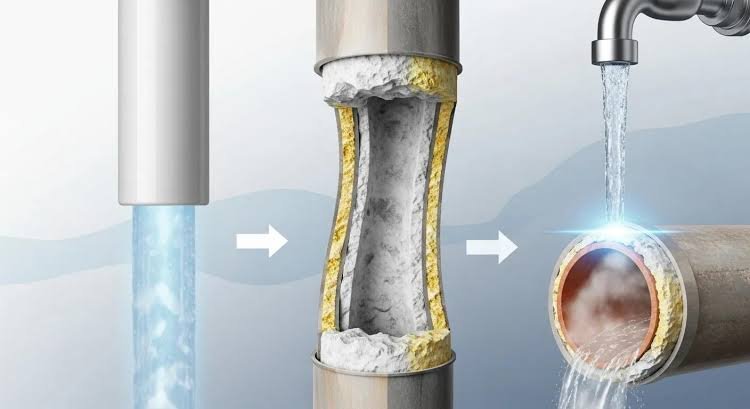
Scale forms gradually as dissolved minerals settle inside pipes, fixtures, water heaters, and household appliances.
Removing hardness minerals before they enter the plumbing dramatically slows this process.
Heating elements transfer heat more efficiently. Water flows more freely through pipes. Fixtures remain cleaner, while expensive appliances experience less internal wear.
Preventing scale is usually much less expensive than removing it after years of accumulation.
That preventative approach protects both your home’s systems and your maintenance budget.
Water Quality Is an Ongoing Investment
Improving water quality isn’t about finding a quick fix.
It’s about creating a home that functions better every day.
Regular water testing, proper equipment maintenance, and occasional inspections help ensure treatment systems continue delivering consistent results over the years.
Water conditions may change because of seasonal variations, municipal treatment adjustments, or changes in groundwater quality.
Staying proactive helps homeowners continue enjoying the benefits of cleaner, softer water without unexpected surprises.
Like many home systems, a little attention goes a long way.
Better Water Creates a Better Home
Some home improvements are immediately visible.
Fresh paint, new flooring, or remodeled kitchens transform the appearance of a house overnight.
Water treatment works differently.
Its value appears through cleaner dishes, softer towels, longer-lasting appliances, more efficient plumbing, and everyday routines that simply become easier. Those benefits may not attract immediate attention, but they quietly improve life in meaningful ways.
At the end of the day, hard water doesn’t have to be something you simply accept. Understanding your home’s water, choosing the right treatment system, and staying proactive about maintenance can protect your plumbing, lower long-term costs, and make your entire home more comfortable. Sometimes the smartest investment isn’t the one everyone notices first—it’s the one that keeps working behind the scenes every single day.