Your home’s exterior influences its appearance, maintenance requirements, and ability to withstand everyday weather exposure. Siding helps protect exterior walls while providing a finished surface that complements the roof, windows, doors, and landscaping. Because different materials respond differently to moisture, sunlight, and temperature changes, homeowners should understand their siding’s specific needs before choosing a maintenance or replacement strategy.
When evaluating siding in Iowa City, IA, consider how the material performs in changing seasonal conditions, how much upkeep it requires, and whether its appearance suits your home. The right choice depends on more than color. Installation quality, moisture management, repairability, and the condition of the underlying wall assembly all affect long-term results.
Understanding the Main Types of Siding
Several siding materials are suitable for residential properties, but each offers different advantages and maintenance requirements.
Vinyl Siding
Vinyl siding is popular because it comes in numerous colors and profiles and generally requires limited routine maintenance. Periodic cleaning helps remove dirt and surface buildup. Inspect panels for cracks, loosened sections, and distortion after significant weather events.
Fiber Cement Siding
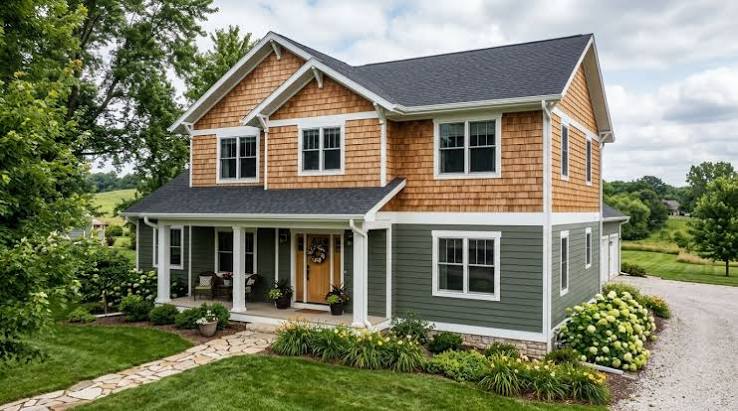
Fiber cement provides a solid exterior appearance and can imitate traditional wood profiles. Its performance depends on correct installation, appropriate clearances, and proper finishing. Follow the product’s instructions for repainting and other maintenance tasks.
Related brief: Keeping Construction Sites Organized: A Practical Guide to Smarter Waste Removal
Wood Siding
Wood siding provides natural texture and a traditional appearance. However, exposed wood requires attention to paint or stain condition, joints, and areas vulnerable to moisture. Promptly repairing deteriorated finishes helps reduce the risk of damage.
Engineered Wood Siding
Engineered wood products offer another option for homeowners seeking a wood-like appearance. Product composition, protective finishes, installation requirements, and maintenance schedules vary, so review the manufacturer’s specifications before purchasing.
How Long Does Different Siding Typically Last?
Siding service life varies depending on material quality, installation, weather exposure, and maintenance. As general planning estimates, vinyl siding often lasts approximately 20–40 years, fiber cement around 30–50 years, and engineered wood approximately 20–40 years. Wood siding can also last around 20–40 years when properly maintained, although its longevity depends heavily on the wood species, protective finish, and moisture exposure.
These figures are estimates rather than guarantees. Individual products may last longer or require replacement sooner. Homeowners should also distinguish between a manufacturer’s warranty period and the actual service life of the siding. Regular inspections and timely repairs can help extend the material’s useful life.
How Local Weather Affects Exterior Siding
Seasonal temperature changes cause many building materials to expand and contract. Wind-driven rain can challenge poorly sealed transitions, while prolonged moisture exposure can damage vulnerable materials and wall components.
Temperature fluctuations also make correct installation important. Some siding products need room to move, while others require particular fastening patterns and clearances. Incorrect installation can lead to buckling, gaps, or premature deterioration.
Homeowners should also consider the interaction between siding and nearby components. Roof edges, gutters, window trim, and foundation transitions must work together to direct water away from the building. The weather-resistive barrier (WRB) behind the siding provides an additional layer of protection by helping manage water that passes behind the exterior cladding. Proper installation and integration with flashing and drainage details are important for protecting the underlying wall assembly.
Another important detail is the clearance between siding and ground level. Siding should maintain the minimum ground clearance required by the manufacturer and applicable building codes. Insufficient clearance can expose the material to soil moisture, splashback, and deterioration, particularly around the foundation.
Siding Warning Signs You Should Not Ignore
Inspect your home’s exterior periodically for changes that require attention.
A. Loose or missing panels: Wind or fastening problems can leave sections vulnerable to further damage.
B. Cracks and holes: Openings can expose underlying materials to moisture and pests.
C. Warped surfaces: Distortion can indicate installation issues, heat exposure, or deterioration.
D. Soft or rotting wood: This often warrants investigation into moisture exposure and damaged protective finishes.
E. Failing caulk: Deteriorated sealant around appropriate joints can allow water infiltration.
F. Interior moisture marks: Stains near exterior walls deserve investigation to identify the actual source.
Not every siding problem requires complete replacement. Isolated damage may be repairable, depending on the material, product availability, and condition of surrounding sections.
A Practical Siding Maintenance Routine
Consistent maintenance helps you discover small problems before they affect larger areas.
Clean the exterior carefully. Use a cleaning method approved for your siding material. For many products, gentle cleaning with mild soap, water, and a soft-bristle brush is an appropriate starting point. Rinse with a garden hose when permitted by the manufacturer’s instructions. Avoid pressure washing unless the specific siding manufacturer expressly permits it and provides suitable pressure, nozzle, and distance requirements. High-pressure water can damage finishes or force moisture behind siding panels.
Inspect joints and transitions. Examine areas around windows, doors, utility penetrations, and trim for gaps or deterioration. Use appropriate repair materials rather than applying sealant indiscriminately to joints designed for drainage or movement.
Check after severe weather. Look for displaced panels, impact damage, and debris from a safe position on the ground.
Maintain nearby vegetation. Trim plants that obstruct airflow or rub against the siding. Keep soil, mulch, and sprinklers from creating persistent moisture exposure near vulnerable exterior components.
Address water problems promptly. Repair leaking gutters, damaged downspouts, and other drainage issues that repeatedly wet exterior walls.
Repair or Replace: Which Option Makes Sense?
The right decision depends on the extent of the damage and the remaining condition of the siding system. Repairing a few damaged panels is often reasonable when surrounding materials remain sound and matching replacements are available.
Replacement deserves consideration when deterioration is widespread, repairs are recurring, or the existing material no longer meets your appearance and maintenance goals.
Before making a decision, request an inspection that considers the siding, trim, moisture barrier, and underlying wall materials. A professional should explain the findings and distinguish necessary repairs from optional improvements.
Improve Your Home’s Exterior With an Informed Plan
Well-maintained siding contributes to a clean appearance and helps protect your home’s exterior walls. Understanding material requirements and recognizing deterioration early makes it easier to plan maintenance and avoid unnecessary expenses.
If you are evaluating siding in Iowa City, IA, compare suitable materials, inspect the existing exterior, and consider long-term maintenance alongside installation costs. Arrange a professional assessment when damage appears extensive or moisture problems persist, and request a written estimate before committing to repairs or replacement.