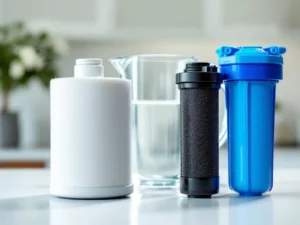
Water is one of those things we rarely stop to appreciate. We turn on the faucet, fill a glass, make coffee, wash our hands, take a shower, and move on with the day. It’s always there—or at least, we expect it to be.
But when the taste changes, an unpleasant odor appears, or mineral spots begin covering the fixtures, water suddenly becomes something we notice. And that’s usually when people start asking questions about what’s actually coming through their pipes.
The truth is, water quality can affect much more than the taste of a glass of water. It can influence cleaning, cooking, bathing, appliances, and the general comfort of a home or workplace. Understanding a few basics can make choosing the right treatment much easier.
What Does High-Quality Water Really Mean?
The phrase high-quality water can mean different things depending on where and how the water is being used. For drinking, people may care most about taste, odor, clarity, and the reduction of certain contaminants.
For a household, however, water quality can involve hardness, chlorine, sediment, iron, sulfur, pH, and other characteristics. A business may have additional requirements depending on its operations.
That’s why there isn’t one universal filter that is perfect for everyone.
The best approach begins with testing. A water analysis can reveal characteristics that aren’t obvious simply by looking at a glass of water. Clear water isn’t necessarily problem-free, and cloudy water doesn’t automatically tell you what the problem is.
Why Water Can Taste or Smell Different
Have you ever poured a glass of water and noticed that it tasted slightly different from usual?
Related brief: Why Whole-Home Water Filtration Is One of the Smartest Upgrades for a Healthier Home
Taste and odor can be influenced by naturally occurring minerals, disinfectants such as chlorine, plumbing conditions, or other substances in the water supply.
Sometimes the issue is subtle. You may notice it most when drinking plain water or making tea and coffee. Other times, the smell is impossible to ignore.
Filtration can help with certain taste and odor concerns, but the treatment should match the cause. Carbon filtration, for example, is commonly used to improve taste and odor and reduce certain chemicals.
Testing first makes the decision much less of a guessing game.
Cleaner Water Can Make Everyday Tasks Easier
Water isn’t only for drinking. It’s part of almost every household chore.
We use it to wash dishes, clean countertops, rinse vegetables, do laundry, and shower. If water contains significant hardness minerals, those minerals can leave deposits behind on glass, faucets, showerheads, and appliances.
In that situation, cleaner water isn’t necessarily about making the water look dramatically different. It can mean reducing specific substances that contribute to everyday problems.
For example, a properly selected water softener can reduce hardness minerals, while filtration can address sediment or certain taste and odor concerns. Different systems have different jobs, and understanding that distinction is important.
The Difference Better Water Can Make in the Kitchen
The kitchen is often where homeowners notice water quality first.
Water is used for drinking, cooking, coffee, tea, ice, and food preparation. If the water has an unusual flavor, it can affect beverages and even the enjoyment of otherwise good food.
This is one reason some households choose point-of-use filtration for their kitchen faucet. Reverse osmosis systems are another option when a higher level of dissolved-solids reduction is desired for drinking and cooking water.
The right solution depends on the incoming water and what you’re trying to improve.
There’s no need to install complicated equipment just because it sounds impressive. Treat the problem you actually have.
Why Better-Tasting Water Encourages Better Habits
Something as simple as water tasting good can influence how often people drink it.
When tap water has an unpleasant taste or odor, it’s easy to reach for bottled drinks instead. Over time, that can mean more plastic bottles, more trips to the store, and more money spent on something your home already receives through the plumbing.
For many households, having better-tasting water available directly from the faucet makes drinking water more appealing.
Of course, taste is only one part of the picture. Water should still be tested when there are concerns about contaminants or unusual changes in quality.
Water Quality in Professional Environments
Water quality isn’t only a residential concern. Many workplaces depend on water every day, sometimes in ways that aren’t immediately obvious.
Restaurants use water for food preparation and cleaning. Hotels provide it to guests. Offices rely on it for kitchens and drinking stations. Gyms, salons, schools, and healthcare facilities all have their own requirements.
For medical & dental offices, water quality can be particularly important because water may be used in equipment, cleaning procedures, handwashing, and other daily activities.
The treatment approach should always be based on the specific application and applicable professional requirements. In environments where water plays a technical or sanitation-related role, assumptions are best replaced with proper testing and documented procedures.
Don’t Forget About Hard Water
Hard water is one of the most common household water concerns. It contains calcium and magnesium, which can eventually contribute to scale.
You may notice white spots around faucets, mineral deposits on shower glass, or buildup inside water-using appliances. Soap may also behave differently, making cleaning feel more difficult.
Water softeners are designed specifically to address hardness. They aren’t filters in the traditional sense, and they don’t remove every possible contaminant.
Again, it comes back to knowing the water first.
Choosing Treatment Without Overcomplicating Things
Modern water treatment offers plenty of choices, which can be helpful but also a little overwhelming.
Carbon filters, sediment filters, water softeners, reverse osmosis, ultraviolet systems, and specialty treatment technologies all have different purposes.
A good decision usually follows a simple path: test the water, identify the concern, understand your household or business needs, and choose equipment designed for those conditions.
Maintenance matters, too. Filters need changing, softeners need servicing, and specialized equipment may require regular inspections.
A Practical Way to Think About Water Quality
Good water treatment isn’t about having the biggest system or the most expensive equipment. It’s about solving the right problem.
If your water tastes strange, find out why. If you’re seeing mineral deposits, test for hardness. If there’s an unusual odor, investigate the source rather than simply masking it.
Small improvements can make everyday life noticeably easier. Better-tasting drinking water, fewer mineral deposits, and properly maintained treatment equipment can all add up.
In the end, water should quietly support your home or business. When the quality is right and the treatment is properly chosen, you don’t have to think about it every time you turn on the tap. And honestly, that’s probably the best sign that you’ve got it right.