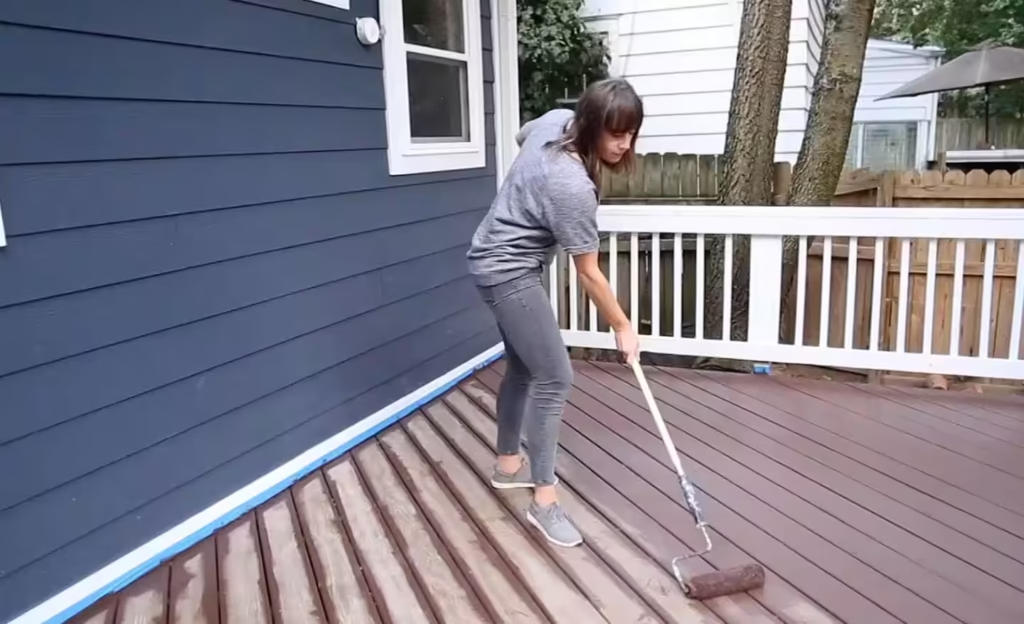
A wooden deck has a way of becoming part of everyday life. It’s where people enjoy their morning coffee, host friends on warm evenings, or simply sit outside after a long day. But because decks spend so much time exposed to the weather, they can lose their charm faster than expected. Sunlight fades the colour, rain leaves moisture behind, and dirt gradually settles into the grain.
The good news is that an ageing deck doesn’t always need to be replaced. With sensible maintenance, many outdoor surfaces can be restored and protected for years to come. The important thing is understanding what your deck needs rather than reaching for the first product on the shelf.
Cleaning, repairing, and applying the right protective finish are all useful parts of the process. When handled in the correct order, these steps can improve the deck’s appearance while helping preserve the wood underneath.
Start by Understanding Your Deck’s Condition
Before beginning any work, take a slow walk around the entire deck. Look beyond the colour of the boards and pay attention to how the structure feels underfoot. Loose planks, raised nails, soft patches, wobbly railings, and damaged steps can indicate problems that need attention before cosmetic work begins.
Check areas that tend to remain damp, including the space beneath planters, corners near exterior walls, and places where leaves collect. These spots may develop mildew or show signs of moisture damage. If the wood feels unusually soft or crumbles when touched, it may have deteriorated beyond what surface treatment can fix.
Different materials also need different care. A traditional timber deck may require cleaning and a protective finish, while composite decking usually has its own maintenance instructions. Using a product designed for one surface on another can cause discolouration or other damage.
Related brief: When Water Doesn’t Feel Right: A Thoughtful Look at TDS and What We Can Actually Do About It
Pay attention to the weather, too. Ideally, maintenance should begin when there’s enough dry time for cleaning products and finishes to work properly. Working in direct, intense sunlight can cause some products to dry too quickly, while rain can interfere with curing.
A little inspection now can prevent wasted effort later. There’s not much point making the surface look beautiful if a loose board still poses a safety risk.
Why Regular Cleaning Makes Such a Difference
Outdoor decks collect more than ordinary dust. Pollen, fallen leaves, food spills, mud, and organic growth can gradually create a dull, slippery surface. In shaded areas, moisture may linger long enough for algae or mildew to develop, particularly when airflow is limited.
Regular deck cleaning helps remove this buildup before it becomes harder to manage. For routine maintenance, begin by sweeping away leaves and debris. Clear the gaps between boards where practical, since trapped material can prevent water from draining properly and keep the wood damp.
Next, choose a cleaner suitable for the decking material and the type of dirt present. Follow the product directions, including dilution and recommended contact time. A soft or moderately stiff brush can help loosen stubborn grime without unnecessarily damaging the surface.
Pressure washers require extra care. Excessive pressure or an unsuitable nozzle can roughen wood fibres, leave visible lines, and damage softer timber. If you use one, follow the decking manufacturer’s guidance, begin with a conservative setting, and test an inconspicuous area first. In many cases, a brush and appropriate cleaning solution are sufficient.
Protect nearby plants and landscaping when using cleaning products. Rinse surfaces as directed, and avoid allowing runoff to collect around garden beds or drainage areas. If the deck has extensive mould growth or unknown coatings, investigate suitable treatment options before starting.
Once the surface is clean, allow it to dry thoroughly before deciding what comes next. Wet timber can look darker than it really is, making it difficult to judge its condition or colour. A dry surface gives you a clearer view of scratches, faded patches, and areas where the finish has worn away.
Restore Worn Surfaces With Careful Refinishing
Cleaning removes dirt, but it doesn’t necessarily correct years of wear. Sun exposure may leave boards faded, while previous coatings can peel or become uneven. Some decks also develop rough areas that make the surface less pleasant to walk on barefoot.
That’s where deck refinishing may be useful. Depending on the deck’s condition and existing finish, the process might involve removing a failed coating, lightly sanding suitable surfaces, repairing minor imperfections, and applying a new protective product.
Not every deck needs sanding. If the existing finish is sound and the manufacturer allows recoating, thorough cleaning and suitable preparation may be enough. On the other hand, peeling paint, damaged stain, or rough timber might require more extensive work. The goal is to create a stable surface that will accept the new finish evenly.
Sanding should be done thoughtfully. Removing too much material can change the shape of board edges, while aggressive sanding may expose fresh timber unevenly. Use suitable equipment and protective gear, and take care around railings, steps, and narrow spaces.
Repairs should happen before the final coating goes on. Replace badly deteriorated boards, secure loose fasteners, and address any drainage or ventilation problems. If a section repeatedly becomes damp, find out why instead of simply covering it with another finish.
It’s also worth considering the deck’s age and construction. A very old deck with widespread decay may need professional assessment or partial replacement rather than another cosmetic treatment. Refinishing works best when the underlying structure is still sound.
Choose a Protective Finish That Suits Your Lifestyle
Once the deck is clean, dry, and properly prepared, you can consider how to protect the surface. Finishes vary in appearance, durability, and maintenance requirements, so the right choice depends on the timber, local weather, and how much upkeep you’re willing to handle.
Deck staining can add colour while helping protect suitable wood from weather exposure. Some stains allow the natural grain to remain visible, while others provide a more pronounced colour. Transparent and semi-transparent options can create different appearances, but their performance depends on the formulation and the condition of the timber.
Before buying a product, check whether it is compatible with the existing coating. Applying a new finish over an incompatible or poorly prepared surface can lead to uneven colour, peeling, or premature wear. If you’re unsure, test a small area and follow the manufacturer’s preparation instructions.
Colour deserves a little thought. Natural brown tones can complement traditional gardens and timber railings, while lighter shades may create a softer outdoor appearance. Darker finishes can look striking, although they may show dust and surface wear differently. Looking at a sample in the actual outdoor lighting is more useful than relying on a small colour card alone.
Apply the product evenly and avoid working across more surface than you can manage comfortably. Pay attention to board ends and exposed areas where moisture can enter, following the product’s specific directions. Don’t assume that applying a thicker coat will improve protection; excessive application can interfere with proper drying and leave an uneven result.
Allow the finish to cure for the recommended period before returning furniture or using the deck normally. Drying times vary with temperature, humidity, airflow, and product type, so the label should guide your schedule.
Build a Simple Maintenance Routine
The easiest way to protect a deck is to make maintenance part of the regular household routine. Sweep away leaves, clean spills promptly, and move planters occasionally so moisture doesn’t remain trapped underneath. Keep drainage gaps clear and check that water can move away from the structure.
Inspect the deck at the beginning of each outdoor season. Look for loose boards, protruding fasteners, damaged railings, and areas where the protective finish has worn thin. The frequency of deeper cleaning or recoating will depend on the weather, foot traffic, timber, and product used.
Avoid automatically applying a new finish every year. Some decks need attention more often than others, and unnecessary coating can create its own problems. Follow the manufacturer’s guidance and respond to the surface’s actual condition.
Make Your Deck a Space You’ll Enjoy Again
A well-maintained deck doesn’t have to look brand-new to be inviting. Natural wood develops character over time, and small variations in colour are part of its appeal. What matters most is keeping the surface safe, clean, and protected against avoidable damage.
By inspecting the structure, cleaning away buildup, refinishing worn areas when necessary, and choosing a suitable protective stain, homeowners can make better use of the outdoor space they already have.
Start with the condition of the wood, work through each step patiently, and don’t ignore repairs that affect safety. With consistent care and realistic expectations, your deck can remain a comfortable place for family meals, quiet mornings, and relaxed evenings outdoors for many seasons to come.