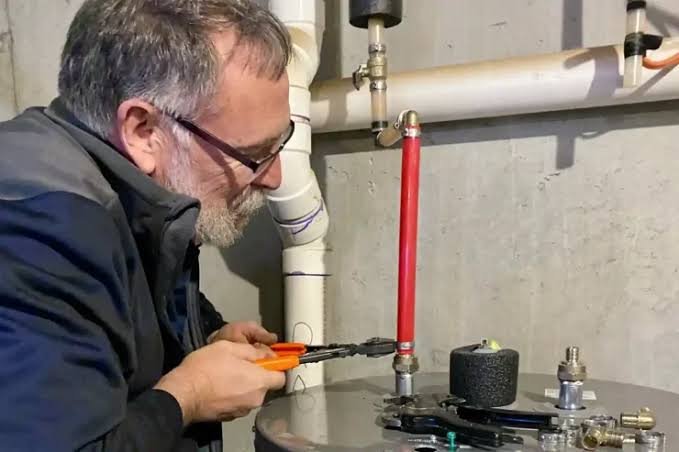
There’s a certain comfort in knowing that hot water will always be there when you need it. It’s one of those everyday conveniences we rarely stop to appreciate until it suddenly disappears. A cold shower on a winter morning or a sink full of greasy dishes without warm water has a way of reminding us just how important a dependable water heater really is.
The interesting thing is that most water heaters don’t simply quit overnight. They usually spend weeks—or even months—giving subtle hints that something isn’t quite right. Maybe the water cools down faster than it used to. Maybe strange popping sounds echo from the utility room. Or perhaps your energy bills seem a little higher without any obvious explanation.
Paying attention to those early signs can help homeowners avoid emergency breakdowns while making smarter decisions about repairs or replacement.
Every Water Heater Has Its Limits
No appliance lasts forever, and a water heater is no exception.
Most traditional storage tank systems have a lifespan of around ten to fifteen years, depending on water quality, maintenance, and daily usage. Tankless models often last considerably longer, but even they eventually experience wear on internal components.
The important thing isn’t expecting equipment to last forever—it’s recognizing when continued repairs no longer make financial sense.
Replacing an aging unit before it completely fails often prevents water damage, unexpected expenses, and unnecessary stress.
Small Warning Signs Often Point to Bigger Problems
Many homeowners overlook the earliest symptoms because the system still appears to function.
Maybe the water isn’t quite as hot. Maybe recovery time between showers feels slower. Sometimes you’ll notice rusty-colored water, unusual noises, or small amounts of moisture near the base of the tank.
These aren’t random annoyances.
Related brief: When Water Isn’t Just Water: A More Personal Look at What Flows Through Your Home
They’re usually indicators that internal components are aging or sediment has begun affecting performance.
Addressing these warning signs early provides more options and usually results in lower overall costs.
Why Planning Ahead Is Better Than Waiting
Emergency replacements rarely happen at convenient times.
Water heaters seem to fail before family gatherings, during holidays, or right when temperatures begin dropping outside. Suddenly, homeowners are forced to make important purchasing decisions under pressure.
Scheduling reliable replacement services before a complete breakdown gives you the opportunity to compare models, evaluate efficiency ratings, and choose equipment that truly fits your household’s needs.
Planning ahead almost always leads to better decisions than reacting during an emergency.
Modern Water Heaters Offer Real Advantages
Technology has improved significantly over the past several years.
Today’s systems recover heat more efficiently, lose less energy through improved insulation, and often include smarter safety features than older models.
Many homeowners notice benefits almost immediately after upgrading. Showers stay warmer longer, hot water recovers faster between uses, and monthly utility bills often become more manageable.
While the initial investment may seem significant, improved efficiency frequently helps offset part of the long-term ownership cost.
It’s About More Than the Water Heater
Many people assume poor hot water performance always originates inside the appliance itself.
That’s not necessarily true.
Water pressure issues, aging supply lines, corroded pipes, leaking valves, and hidden plumbing problems can all affect how efficiently a water heater performs.
Experienced plumbing experts evaluate the entire system instead of focusing only on the tank. This broader approach helps identify contributing issues that might otherwise continue affecting performance even after replacing the equipment.
Looking at the whole plumbing system often produces longer-lasting results.
Proper Installation Makes a Huge Difference
Even the highest-quality water heater can’t perform at its best if it’s installed incorrectly.
Gas connections, electrical wiring, pressure relief valves, expansion tanks, venting systems, drainage requirements, and local building codes all play important roles in safe operation.
Professional installation ensures these components work together properly while protecting manufacturer warranties and maximizing efficiency.
It’s one of those areas where experience genuinely matters.
Saving money on installation sometimes creates larger expenses later if problems develop because important details were overlooked.
Maintenance Doesn’t Stop After Replacement
A new water heater isn’t completely maintenance-free.
Like any hardworking appliance, it benefits from regular inspections and simple preventive care.
Flushing sediment annually, checking pressure relief valves, inspecting the anode rod, monitoring thermostat settings, and watching for small leaks all contribute to longer service life.
These maintenance visits don’t require much time, yet they often prevent the kinds of failures that lead to emergency service calls.
A little attention once or twice each year can easily add several years to the equipment’s lifespan.
Choosing Equipment That Matches Your Lifestyle
Every household uses hot water differently.
A retired couple may have completely different needs than a family with four children. Homes with multiple bathrooms naturally require different recovery rates than smaller houses.
That’s why there isn’t one perfect water heater for everyone.
The best choice balances household demand, available installation space, energy efficiency, and long-term operating costs.
Instead of simply purchasing the largest model available, homeowners benefit from selecting equipment designed around their actual daily usage.
That thoughtful approach usually delivers better comfort while reducing unnecessary energy consumption.
Looking Beyond Today’s Repair Bill
When an older water heater develops another problem, it’s tempting to authorize one more repair and postpone replacement for another year.
Sometimes that’s the right decision.
Other times, repeated repairs become more expensive than investing in equipment that offers greater efficiency and reliability.
Comprehensive hot water solutions focus on long-term value instead of temporary fixes. Rather than addressing symptoms alone, they evaluate the condition of the entire system and recommend options that support years of dependable performance.
Thinking beyond today’s repair bill often leads to smarter financial decisions.
Comfort Is Something We Notice Most When It’s Missing
Reliable hot water quietly supports dozens of daily activities.
Morning showers, clean dishes, laundry, household cleaning, and countless other routines depend on equipment hidden away in a utility room.
When everything works properly, nobody thinks about the water heater.
That’s exactly how it should be.
The goal isn’t simply owning a water heater—it’s having confidence that it will perform consistently without demanding constant attention.
Final Thoughts
Replacing a water heater may not be the most exciting home improvement project, but it’s certainly one of the most practical. Waiting until a complete breakdown often limits your options and increases stress, while planning ahead allows you to make informed decisions based on your home’s actual needs.
By recognizing early warning signs, choosing quality equipment, investing in professional installation, and maintaining the system regularly, homeowners can enjoy years of dependable performance with fewer unexpected repairs.
At the end of the day, a reliable water heater isn’t just another appliance tucked away in a corner. It’s part of the everyday comfort that keeps a household running smoothly. Making the right replacement decision today can provide better efficiency, lower operating costs, and the peace of mind that comes from knowing warm water will always be there when you need it most.