For most businesses, water is simply expected to work. Employees fill coffee mugs before meetings, customers wash their hands without giving it a second thought, restaurants prepare meals, hotels welcome guests, and manufacturing equipment runs through another productive day. Water quietly supports these routines in the background, so it rarely gets much attention—until something goes wrong.
When water quality starts affecting operations, however, the consequences can reach much further than an unpleasant taste or cloudy glassware. Mineral buildup, equipment wear, inconsistent product quality, and rising maintenance costs often share the same hidden cause.
That’s why more business owners are beginning to view water treatment as an investment in operational efficiency rather than just another maintenance expense.
Water Plays a Bigger Role Than Many Businesses Realize
The importance of water extends well beyond drinking fountains and break rooms.
Restaurants depend on it for cooking, dishwashing, beverages, and food preparation. Hotels rely on it to provide comfortable guest experiences. Healthcare facilities, manufacturing operations, office buildings, schools, and apartment complexes all use large volumes of water every single day.
Because water touches so many parts of daily operations, even small improvements can create noticeable long-term benefits.
Cleaner water supports equipment, improves efficiency, and often enhances the overall customer experience without drawing attention to itself.
Every Commercial Property Has Different Requirements
A restaurant’s water needs aren’t the same as a hotel’s.
Related brief: Why Better Water Starts With Smarter Filtration at Home
Likewise, an office building has very different priorities than a manufacturing facility or healthcare center. Daily water consumption, plumbing layouts, equipment requirements, and local water conditions all vary significantly from one property to another.
That’s why commercial water treatment solutions should always be designed around the specific needs of each facility rather than relying on generic equipment packages.
Professional water analysis helps identify hardness, chlorine levels, sediment, iron, and other characteristics before treatment recommendations are made.
The result is a system built for the property instead of forcing the property to adapt to the system.
Hard Water Can Quietly Increase Operating Costs
One of the most common commercial water issues is hard water.
Over time, calcium and magnesium accumulate inside boilers, water heaters, dishwashers, steam equipment, plumbing lines, and countless other systems. As scale builds, equipment must work harder to deliver the same performance.
That increased workload often leads to higher energy consumption, more frequent maintenance, and reduced equipment lifespan.
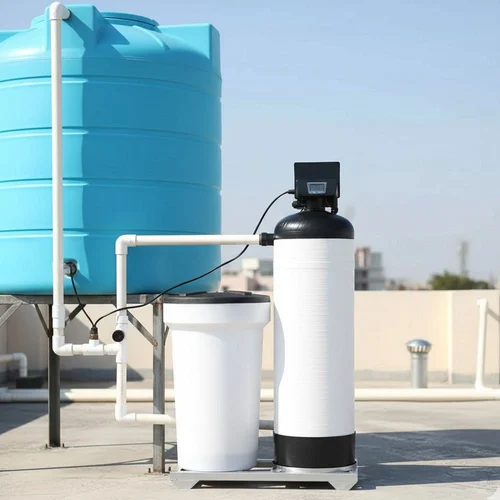
Installing commercial water softeners helps minimize mineral buildup before it reaches valuable equipment, protecting both performance and long-term operating costs.
For many businesses, the savings become noticeable long before major equipment would otherwise require replacement.
Better Water Improves Customer Experience
Water quality isn’t only about machinery.
Customers notice the taste of drinking water, coffee, tea, fountain beverages, and ice. Guests staying in hotels appreciate cleaner showers and brighter linens. Restaurant patrons enjoy beverages that taste exactly as intended.
Even if customers never consciously think about water quality, they experience its effects every day.
Small improvements often contribute to stronger overall impressions of a business without requiring dramatic changes elsewhere.
Sometimes consistency is the greatest competitive advantage.
Carbon Filtration Supports Cleaner Water Throughout the Building
Many commercial properties benefit from whole-building carbon filtration , especially when chlorine taste, odor, or organic compounds affect the incoming water supply.
Unlike point-of-use filtration installed at individual sinks, whole-building systems treat water before it travels throughout the facility. That means break rooms, kitchens, bathrooms, ice machines, beverage equipment, and employee areas all benefit from improved water quality.
For businesses serving customers directly, this consistency helps create a more professional experience from one faucet to the next.
It also simplifies maintenance by treating the building as a complete water system.
Protecting Expensive Equipment
Commercial equipment represents a significant investment.
Coffee brewers, steamers, boilers, commercial dishwashers, water heaters, ice makers, washing machines, and specialized manufacturing equipment all depend on water quality for reliable performance.
Mineral buildup and untreated water gradually reduce efficiency while increasing maintenance requirements.
Addressing water quality proactively often extends equipment life while reducing costly downtime and emergency repairs.
Protecting infrastructure frequently becomes one of the largest financial returns associated with commercial water treatment.
Maintenance Is Part of Long-Term Success
Installing treatment equipment isn’t the end of the process.
Like any critical building system, commercial water treatment benefits from routine maintenance. Replacing filters, monitoring system performance, inspecting equipment, and scheduling preventive service all contribute to dependable operation.
Regular maintenance also allows technicians to identify small issues before they affect building operations.
Preventive care generally costs far less than responding to unexpected equipment failures during busy business hours.
Investing in Efficiency Pays Off
Every business looks for practical ways to reduce unnecessary operating expenses.
Water treatment often contributes through lower maintenance costs, reduced energy consumption, longer equipment lifespan, and improved operational consistency.
Unlike some investments that deliver uncertain results, cleaner water supports systems that businesses already rely on every day.
The benefits quietly accumulate across months and years rather than appearing all at once.
That steady improvement often makes water treatment one of the more practical long-term infrastructure investments available.
Better Water Supports Better Business
Customers rarely choose a business because of its water treatment system.
Yet they absolutely notice clean dishes, fresh beverages, reliable service, comfortable facilities, and equipment that consistently performs as expected.
Behind many of those experiences is water quietly doing its job.
Investing in commercial water treatment isn’t simply about improving water quality. It’s about protecting valuable equipment, creating better customer experiences, supporting employees, and helping businesses operate more efficiently day after day.
When water treatment is designed around the unique needs of a commercial property, it becomes something owners rarely have to think about—and that’s exactly the point. Reliable systems working quietly in the background allow businesses to focus on what matters most: serving customers, supporting employees, and continuing to grow with confidence for years to come.