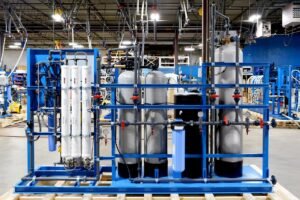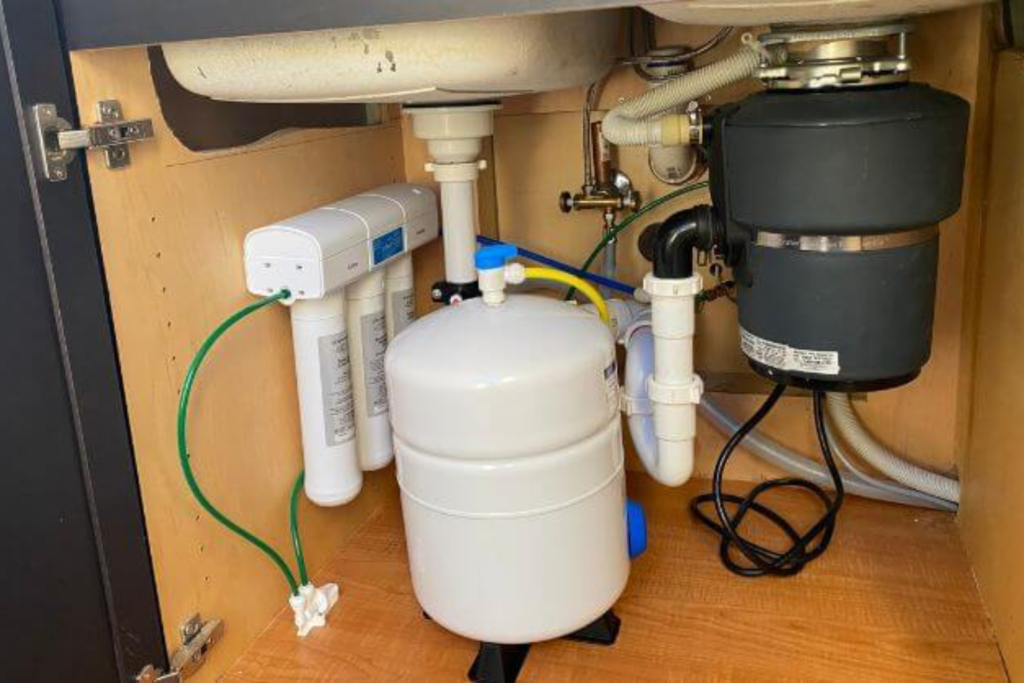
There was a time when installing a water treatment system felt like committing to a science project. Bulky tanks, confusing manuals, blinking lights you didn’t quite understand. You almost needed a technician on speed dial just to feel confident everything was working.
Thankfully, that’s changed.
Modern water systems aren’t just about cleaner water — they’re about simplicity. Because if a system feels complicated, most homeowners won’t stick with it. And when maintenance slips, performance follows.
The best solutions today focus on something refreshingly practical: making water treatment easy to live with.
When Technology Gets Out of the Way
One of the most underrated upgrades in modern systems is user-friendly operation.
It sounds basic, but it’s transformative. Clear digital displays. Straightforward settings. Automatic regeneration cycles based on actual water usage instead of rigid timers. These features remove the guesswork that used to intimidate homeowners.
You don’t need to understand every technical detail to benefit from the system. You just need confidence that it’s doing its job.
Many units now include simple indicator lights or app-based notifications that let you know when it’s time to refill salt or replace a filter. No more wondering if you missed something.
When operation is intuitive, people engage with their system instead of ignoring it.
Related brief: Why High-Quality Water Matters More Than You Might Think in Everyday Life
The Myth of Constant Upkeep
Another concern that keeps homeowners on the fence? Maintenance.
Nobody wants to add another complicated chore to their weekly routine. Life is busy enough.
That’s why today’s designs emphasize low-maintenance performance. Filters last longer. Resin beds regenerate more efficiently. Systems monitor themselves and adjust based on actual water consumption.
Instead of requiring constant attention, modern units quietly run in the background.
Of course, no system is completely maintenance-free. Filters still need replacing eventually. Salt still needs topping off in softeners. But the intervals are predictable and manageable.
It’s the difference between tending a high-maintenance garden and caring for a well-designed landscape that largely takes care of itself.
The Subtle Impact of Chlorine
If you live in an area with municipal water, chlorine is likely part of your supply. It plays an essential role in disinfecting water and preventing harmful bacteria from spreading through distribution lines.
From a safety perspective, that’s reassuring.
But from a comfort perspective, not everyone appreciates the taste or smell.
Effective chlorine reduction systems use activated carbon or similar media to minimize that distinct chemical note without compromising safety. The result is water that tastes cleaner and smells neutral — especially noticeable in hot showers or cooking.
For many families, this shift alone makes filtration worthwhile.
Coffee tastes smoother. Ice cubes don’t carry an aftertaste. Steam from the shower feels fresher.
It’s subtle, but meaningful.
Balancing Performance with Practicality
The key to choosing a system isn’t complexity. It’s alignment.
If your primary concern is hardness, a high-efficiency softener may be enough. If chlorine taste bothers you, carbon filtration might solve the issue. If sediment is present, a simple pre-filter can make a big difference.
Layering too many systems can create unnecessary upkeep. The goal isn’t to build a water laboratory under your sink — it’s to solve specific problems effectively.
Testing your water first ensures you’re not guessing.
Data removes uncertainty.
Why Simplicity Encourages Consistency
There’s an interesting psychological element to water treatment.
When a system is complicated, homeowners are more likely to postpone maintenance or avoid interacting with it altogether. When it’s intuitive and low-maintenance, they stay engaged.
That engagement keeps performance steady.
And steady performance protects plumbing, appliances, and overall water quality.
Simplicity isn’t just convenient — it’s protective.
Long-Term Benefits That Add Up
Cleaner water does more than taste better.
Reduced chlorine exposure can help preserve plumbing components and extend the lifespan of certain fixtures. Efficient softening systems reduce scale buildup in water heaters and dishwashers. Proper filtration protects washing machines and showerheads from sediment accumulation.
Over time, these small protections prevent larger repair bills.
It’s not dramatic. It’s incremental.
But incremental improvements compound.
Choosing the Right Partner
Even the most user-friendly system benefits from professional guidance during installation.
A knowledgeable technician ensures proper sizing, pressure settings, and plumbing integration. They’ll explain how your system operates — in plain language, not jargon.
After installation, clear instructions and periodic reminders make ongoing care feel manageable rather than overwhelming.
The right provider focuses on clarity, not complexity.
Final Thoughts
Water treatment doesn’t have to feel like a technical burden.
Today’s systems prioritize user-friendly operation, low-maintenance performance, and effective chlorine reduction — creating solutions that fit naturally into everyday life.
You shouldn’t need to think about your water constantly. You shouldn’t feel intimidated by the equipment designed to improve it.
When the system works quietly in the background — simple, reliable, efficient — you’re free to focus on everything else that matters in your home.
And in the end, that quiet simplicity is exactly what good water treatment should provide.