Water is something we rely on every single day, yet most of us rarely stop to think about what happens before it reaches the kitchen sink. We trust that it’s safe because it has been treated, but “safe” doesn’t always mean it tastes fresh, smells pleasant, or feels ideal for everyday use. Tiny changes in water quality can influence everything from your morning coffee to the condition of your skin after a shower.
For many homeowners, improving water quality isn’t about chasing perfection. It’s about creating a home where drinking, cooking, cleaning, and bathing all feel just a little better. Those small improvements add up over time, and surprisingly, they often begin with understanding what’s actually in your water.
Water Can Be Safe and Still Leave Room for Improvement
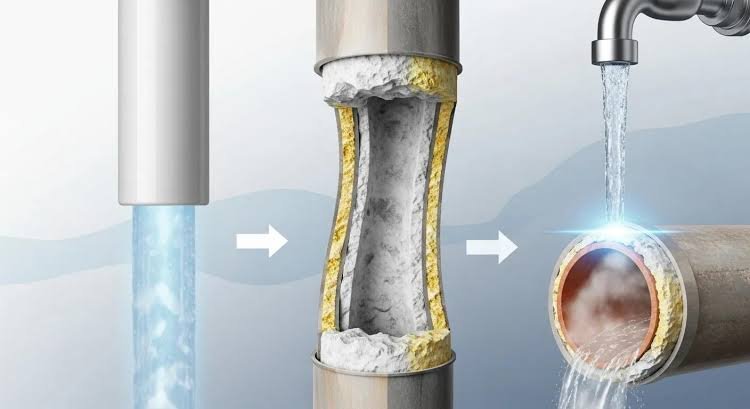
Municipal water treatment plants do an important job. They remove harmful contaminants and make water suitable for public consumption. Even so, treated water often travels through miles of aging pipes before arriving at your home.
During that journey, the water may pick up sediments, develop an unusual taste, or retain disinfectants used during treatment. These issues usually aren’t dangerous, but they can affect the overall experience of using water every day.
That’s why many households decide to add an extra layer of filtration. It’s less about fixing something broken and more about improving something that’s already essential.
Why Taste and Odor Matter More Than You Think
Most people notice water quality with their senses long before they read a laboratory report.
A slight chlorine smell, an earthy taste, or cloudy ice cubes can make drinking tap water less enjoyable. As a result, families often turn to bottled water without realizing they’re spending hundreds of dollars each year on something that flows directly into their homes.
Fresh-tasting water naturally encourages people to stay hydrated, brew better coffee, prepare meals with confidence, and reduce plastic waste at the same time.
Sometimes better habits start with something as simple as enjoying a glass of water again.
Understanding How Carbon Filtration Works
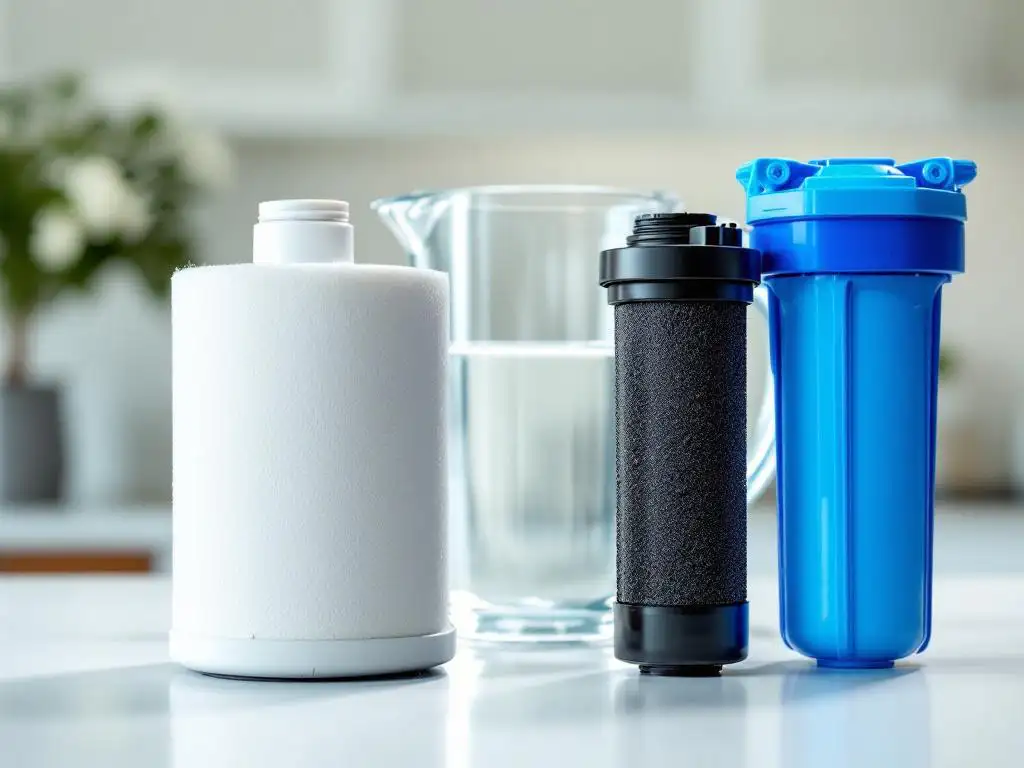
One of the most effective and widely used options available today is carbon filtration systems . These systems use activated carbon to trap unwanted substances as water flows through the filter.
The process doesn’t rely on complicated chemicals or harsh treatments. Instead, the carbon’s highly porous surface attracts many compounds responsible for unpleasant tastes, odors, and certain impurities.
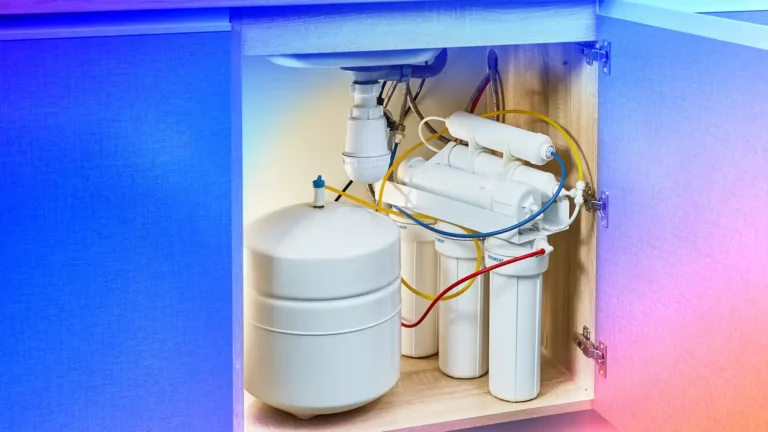
Whether installed under the sink, at a single faucet, or throughout an entire home, carbon filtration has become popular because it combines simplicity with reliable everyday performance.
It’s one of those technologies that’s easy to overlook simply because it works quietly in the background.
Improving Daily Life Beyond Drinking Water
When people think about water filtration, they usually picture a glass of drinking water.
In reality, filtered water affects far more than beverages.
You cook with it. Wash fruits and vegetables. Make soups and coffee. Brush your teeth. Bathe your children. Even your pets rely on the same water every day.
Having cleaner healthier water throughout these daily routines creates peace of mind that extends well beyond the kitchen sink.
Many homeowners also notice cleaner ice cubes, brighter beverages, and fewer unpleasant odors around the home after installing quality filtration.
Those improvements might seem small individually, but together they noticeably change everyday living.
Chlorine Plays an Important Role—But Not Everyone Wants It at Home
Municipal water suppliers commonly add chlorine because it helps eliminate harmful microorganisms while water travels through public distribution systems.
That protection is valuable.
However, once the water reaches your home, many people prefer to reduce chlorine levels for reasons related to taste, smell, and personal comfort.
Lower chlorine levels can make showers feel more pleasant, improve the flavor of cooked foods, and eliminate the distinctive swimming-pool scent that some households notice when filling a glass of tap water.
The goal isn’t removing safety from the treatment process. It’s refining the water after it has already served its public health purpose.
Choosing the Right Filtration System
Not every household needs the same type of filtration.
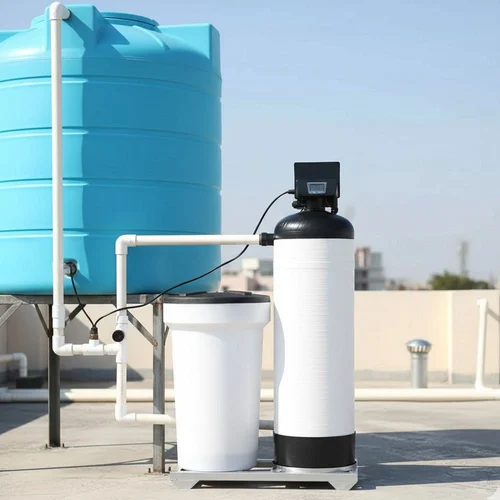
Some families simply want better-tasting drinking water and choose a compact under-sink system. Others install whole-house filters so every faucet, shower, and appliance benefits from improved water quality.
The best choice depends on several factors, including your local water source, household size, plumbing configuration, and any specific concerns identified through water testing.
Understanding your water before making a purchase often leads to better long-term satisfaction than buying the first system you see online.
Maintenance Matters More Than Many Realize
Even the highest-quality filter requires routine maintenance.
Filter cartridges eventually become saturated and lose efficiency. Ignoring replacement schedules can reduce performance and, in some cases, affect water flow.
Fortunately, maintaining modern filtration systems is usually straightforward. Many manufacturers design replacement filters to be changed in just a few minutes without specialized tools.
Following recommended maintenance schedules helps ensure consistent performance year after year.
It’s a simple habit that protects the investment while keeping water quality at its best.
Looking Beyond Immediate Benefits
Home water filtration isn’t only about today’s glass of water.
Many homeowners appreciate the long-term advantages as well. Reduced reliance on bottled water lowers household waste and ongoing expenses. Appliances that use filtered water may experience less buildup from certain impurities. Families often find themselves drinking more tap water simply because it tastes better.
There’s also something reassuring about knowing exactly how your water is being treated inside your own home.
That confidence becomes part of everyday life without requiring much ongoing attention.
Final Thoughts
Water touches nearly every part of our daily routine, yet it’s easy to forget how much its quality influences our comfort until we experience something better.
Thoughtful filtration isn’t about chasing perfect water. It’s about making everyday moments—from brewing coffee to filling a child’s water bottle—a little more enjoyable and a little more satisfying.
Whether your goal is improving taste, minimizing odors, or enhancing overall household water quality, investing in the right filtration solution can make a meaningful difference. Over time, those small improvements become part of the rhythm of daily life, quietly supporting healthier habits, greater convenience, and a home that simply feels better.
After all, when something is used dozens of times every single day, even modest improvements can have a lasting impact.