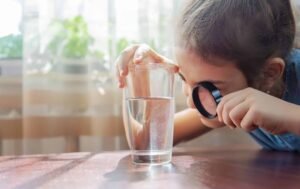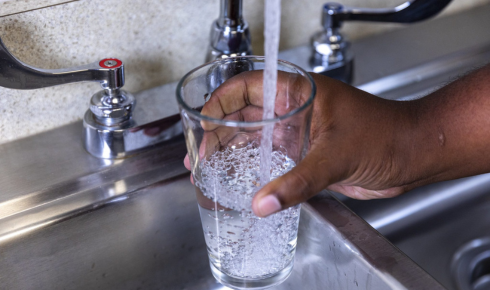
Let’s be honest—most of us don’t think twice before turning on the tap. We fill up our glasses, wash vegetables, brew coffee, and assume the water is clean, safe, and reliable. But here’s the kicker: that crystal-clear water can be hiding something far from harmless. In fact, many households across the world unknowingly deal with invisible threats—like bacteria in water—that could be making them sick.
This isn’t a scare tactic. It’s a quiet truth that more people are beginning to acknowledge. If you’ve ever dealt with unexplained stomach cramps, recurring gastrointestinal issues, or that vague sense of unease after drinking tap water while traveling or even at home—well, this article is for you.
The Invisible Menace
Waterborne bacteria aren’t science fiction; they’re a real-world issue that affects millions globally. While big outbreaks make headlines—think boil-water advisories and E. coli scares—countless smaller incidents go unnoticed. That’s the thing about bacteria: you can’t see it, taste it, or smell it. But your body? It notices.
The most common culprits include E. coli, Legionella, Salmonella, and various strains of coliforms. Each brings its own set of risks, ranging from mild discomfort to serious illness. Some, like Giardia or Cryptosporidium (technically protozoa, but worth mentioning), can wreak havoc on your gut for weeks. And for children, elderly people, or those with weakened immune systems, the risk is even more significant.
Where It Comes From (Hint: Not Just Dirty Lakes)
So, how does bacteria get into your tap water? It’s not always because someone dumped chemicals into a lake (though that happens too). A lot of the time, contamination sneaks in through cracked pipes, malfunctioning septic systems, runoff from farms, or even naturally occurring microorganisms.
Related brief: Why High-Quality Water Matters More Than You Might Think in Everyday Life
Rainwater can wash animal waste into wells. Old plumbing can leach contaminants. And in some places, the municipal water system just doesn’t have the resources to filter out every microscopic threat. Private wells are particularly vulnerable, often left untested for years.
This brings us to an uncomfortable but important reality: clean-looking water isn’t always clean.
Why You Should Test Your Water (Like, Yesterday)
If you’ve never done it, water contamination testing might sound like something reserved for science fairs or government labs. But it’s surprisingly accessible these days. From DIY home testing kits to certified lab analysis, you’ve got options.
And the reasons to test are stacking up. Not only can testing help uncover immediate risks (like coliform bacteria, which we’ll get to in a moment), but it can also give you peace of mind—or at least the information you need to make smart choices about filtration, purification, and treatment.
Consider this: even if you live in a city with “safe” municipal water, that water still travels through miles of aging pipes before it reaches your home. That’s plenty of time for contaminants to creep in.
And if you’re on a well? Regular testing is essential. The EPA recommends private wells be tested at least once a year for bacteria, nitrates, and other common issues. But how many people actually follow that advice? Not nearly enough.
Let’s Talk About Coliform Bacteria
Now, let’s zoom in on one of the biggest bacterial red flags out there: coliform bacteria. They’re not necessarily harmful themselves, but their presence in water is a big ol’ neon sign that something isn’t right. Basically, if coliforms are in your water, it suggests other pathogens might be too.
Think of them like the canary in the coal mine—an early warning system. If coliform levels are high, it could indicate fecal contamination. Yes, we’re talking about poop particles. Gross? Absolutely. Dangerous? You bet.
The EPA has zero tolerance for total coliforms in drinking water. Even one positive sample in a municipal supply triggers further testing and, in many cases, public health warnings.
Homeowners with private wells? They have to be their own watchdogs.
Okay, But What Can You Do About It?
Here’s the good news: you’re not helpless. The first step, of course, is testing. That’s your baseline. Once you know what you’re dealing with, solutions are surprisingly within reach.
For bacterial issues, shock chlorination is often recommended—especially in well systems. UV purification systems can zap living organisms, and reverse osmosis filters can add an extra layer of protection.
But filtration isn’t one-size-fits-all. What works for one household might be unnecessary or ineffective for another. That’s why that initial test is so important—it tells you what you actually need.
And just like you wouldn’t ignore a weird noise in your car, you shouldn’t ignore symptoms or water with a strange taste, smell, or color. Trust your gut—and if your gut’s been acting up, that’s even more reason to dig deeper.
Beyond the Home: A Broader Responsibility
Water safety isn’t just a personal issue; it’s a community one. When local water sources get contaminated, it’s often the result of larger systemic problems—agricultural runoff, failing infrastructure, or lax regulation.
Advocating for better testing, transparency, and investment in clean water infrastructure is a way of protecting not just your own family, but your neighbors, your town, and the environment. Clean water is a human right—but ensuring it takes awareness and action.
If you’re a landlord, a business owner, or someone managing a community well, your responsibility goes even further. Regular water testing and transparent reporting aren’t just smart—they’re ethical.
The Bottom Line: Don’t Wait for a Crisis
The worst thing you can do? Wait until you or someone you love gets sick to take action. Bacterial contamination isn’t always obvious, and by the time symptoms appear, the damage might already be done.
Testing doesn’t have to be expensive or complicated. And once you have the data, you can make informed decisions about how to protect your water supply—whether that means installing a filter, treating your well, or simply staying informed.
In a world where so many things feel out of our control, knowing your water is safe is one of the simplest and most powerful forms of self-care. Because good health doesn’t just come from what you eat—but also from what you drink.