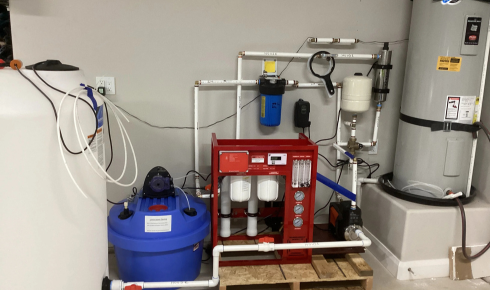
Imagine turning on any faucet in your home—whether in the kitchen, bathroom, or laundry room—and knowing the water flowing out is clean, pure, and free of unwanted contaminants. No more worrying about strange tastes, cloudy glasses, or questionable odors. That’s the promise of a whole house reverse osmosis system WI homeowners are starting to embrace.
These systems aren’t just for eco-enthusiasts or water snobs anymore—they’re becoming an essential part of modern home design, especially in areas where tap water contains high levels of dissolved solids or contaminants. But before diving headfirst into installation, let’s unpack what makes these systems tick, how they work, and whether they’re right for your home.
What’s All the Hype About?
Reverse osmosis (RO) has been around for decades, mostly in commercial or under-sink applications. But now, people are scaling it up. The idea of whole-house filtration might sound overkill at first, but once you experience the difference in water quality—especially for showers, laundry, and cooking—it’s hard to go back.
Related brief: Better Water at Home Starts With Understanding What’s Really in Your Tap
Unlike simple carbon filters or softeners, reverse osmosis doesn’t just improve the taste; it removes total dissolved solids (TDS), heavy metals, fluoride, nitrates, and other potentially harmful substances. That means it’s doing more than just polishing the water—it’s cleaning it on a molecular level.
How It All Comes Together: The Technology
Let’s geek out for a moment. A whole house reverse osmosis system diagram typically includes several key stages: a sediment pre-filter, carbon filter, high-pressure pump, RO membrane, storage tank, and a post-treatment system (like UV or re-mineralization). The water enters your house and flows through this setup before it reaches any tap.
The pre-filters catch big stuff—think rust, silt, and sand. The RO membrane is where the magic happens; it forces water through a semi-permeable layer, blocking contaminants while allowing clean water to pass through. Then, depending on your system, it might get zapped by UV to kill bacteria or pass through a re-mineralizer to restore healthy minerals.
It’s not a tiny machine sitting under your sink. These systems can take up a decent amount of space, often requiring dedicated utility room real estate, especially for larger homes with high water usage.
But What About Waste?
One of the biggest concerns with RO systems is water waste. Traditional models used to waste 3–4 gallons for every gallon of filtered water. But thankfully, newer, more efficient models have brought this down considerably. Some come with water recovery systems that cut waste dramatically—great news for eco-conscious homeowners and folks in drought-prone areas.
The Wisconsin Connection: Local Water Woes
If you’re living in Wisconsin, you’ve likely heard murmurings about nitrate levels, agricultural runoff, and iron-heavy well water. That’s why demand for whole house reverse osmosis system WI installations has been climbing. In some rural communities, RO systems aren’t just a luxury—they’re a necessity.
City dwellers aren’t exempt either. Even municipal water, treated and regulated as it is, can contain trace pharmaceuticals, chlorine byproducts, and microplastics that many folks would prefer to avoid.
Cost Considerations and Maintenance
Let’s not sugarcoat it—whole-house RO systems aren’t cheap. Depending on the size of your home, water usage, and quality of your incoming water, you might be looking at a $4,000–$15,000 price tag, including installation. That said, think of it like a long-term health investment. Cleaner water means less soap and detergent use, fewer appliance breakdowns, and possibly better skin and hair.
Maintenance isn’t overly complex, but it’s crucial. Filters need replacing every 6–12 months, and the RO membrane may last 2–5 years. Some systems have built-in monitors or app connectivity, so you know exactly when it’s time for upkeep. Get a plumber who’s familiar with these systems, especially since incorrect installation can lead to pressure issues or early system failure.
Where RO Fits in the Water Filtration World
It’s worth noting that RO isn’t the only filtration game in town. Depending on your water profile, you might be better off with simpler water filter systems whole house setups, especially if your main concerns are chlorine, sediment, or taste. These can be significantly cheaper and still provide noticeable improvement in everyday water use.
However, if your water test results show elevated levels of arsenic, lead, nitrates, or other stubborn contaminants, RO is often the only reliable choice for whole-house treatment.
Final Thoughts: Is It Worth It?
For some, a whole house RO system might seem like a luxury. But for others—especially families with compromised immune systems, infants, or specific health concerns—it’s a non-negotiable safety feature. You can’t always control what’s in your municipal or well water, but you can control what flows from your taps.
Once you’ve showered in pure RO water or boiled pasta in water that tastes like it came from a mountain spring, it’s hard to go back. It’s one of those upgrades you don’t fully appreciate until you have it.
So, is a whole-house RO system right for you? Maybe. Maybe not. But if clean water matters—and let’s be honest, it does—it’s a question worth exploring.