If you’ve ever taken a sip of water at home and paused, wondering whether it’s as clean as it should be, you’re not alone. The clarity of the liquid might fool you—but looks can be deceiving. Contaminants often come undetected, and that’s where reverse osmosis (RO) systems have become household heroes. But here’s the catch: a good RO system is only as reliable as the technician who installs and maintains it. Sounds simple, right? Not quite.
The Problem with “Clear” Water
Let’s be real. Most of us assume that the water from our taps is fine because, well, it’s not visibly brown or smelly. But beneath that illusion of purity, things like lead, chlorine, heavy metals, and microbial threats could be lurking. That’s exactly why more and more homeowners and businesses are turning to RO systems. These devices act like microscopic bouncers at the club—filtering out the riff-raff and letting only the good stuff in.
But while the tech is smart, it needs even smarter people to keep it running.
Don’t Just Trust Any Joe with Your Water
There’s a growing sea of self-proclaimed experts ready to fiddle with your filtration system. But water filtration isn’t just another handyman gig—it’s a science. You wouldn’t hire someone without a license to rewire your house, so why cut corners with the system that filters your drinking water?
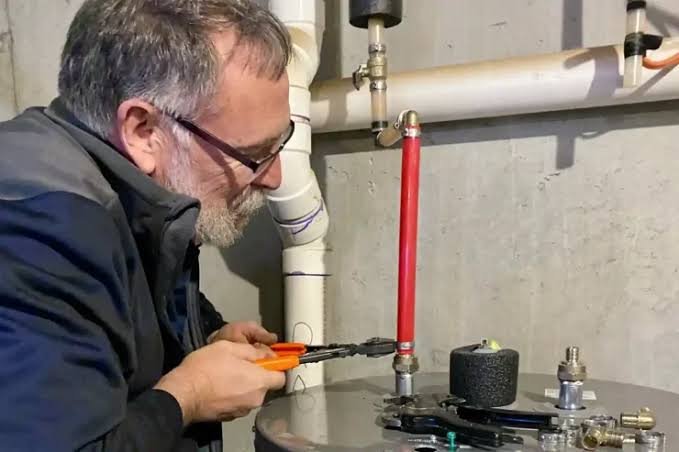
Hiring certified RO technicians makes all the difference. These pros don’t just show up with a toolkit—they show up with training, credentials, and a deep understanding of water chemistry, pressure calibrations, and system configurations. When the person working on your RO setup knows what they’re doing, you get peace of mind that your water is genuinely safe—not just passing some “it looks fine” test.
Home Sweet Hydrated Home
Now, let’s talk about the home front. More families than ever are investing in residential RO systems—and for good reason. From removing the metallic aftertaste of tap water to eliminating bacteria, these systems are a game-changer. Whether you’re making coffee, prepping baby formula, or just refilling your water bottle for the gym, clean water matters.
But here’s something most people overlook: not all homes have the same water profile. What works in a city condo might be overkill—or completely ineffective—in a rural house pulling from a well. That’s why customization is key. A good technician will test your water first, understand your lifestyle, and recommend an RO unit tailored to your actual needs, not just whatever’s trending online.
Scaling Up: When Businesses Need Big Solutions
Of course, clean water isn’t just a domestic affair. Restaurants, salons, schools, and even car washes rely on advanced purification systems to function efficiently. The scale, demand, and compliance standards involved make DIY solutions laughably insufficient.
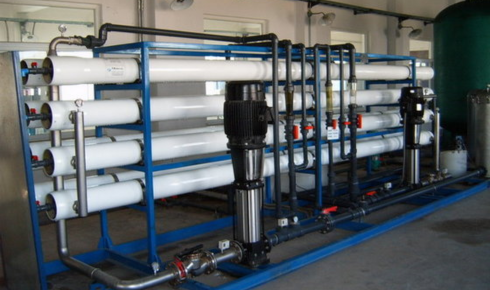
This is where commercial RO solutions step into the spotlight. These aren’t just bigger versions of what’s under your sink—they’re engineered to handle large volumes, maintain consistent pressure, and endure heavy-duty use without compromising output quality. In some industries, poor water quality isn’t just bad for business—it can be illegal.
Whether it’s keeping food prep areas sterile or ensuring a spa’s hydrotherapy setup remains free from contaminants, commercial RO setups are the silent workhorses in the background. And yes, they too need expert oversight to ensure reliability and compliance.
Maintenance: The Unsung Hero
Installing an RO system is not a one-and-done job. Like any piece of technology, it demands upkeep. Membranes get clogged, filters degrade, and small leaks can turn into major damage if ignored. You can set reminders all you want, but there’s no replacement for scheduled professional maintenance.
That’s where forming a relationship with your technician or service company pays off. Not only do you stay ahead of issues, but you also extend the lifespan of your system and improve its efficiency. Think of it as getting your car regularly serviced—only this time, it’s for something you ingest daily.
What Should You Look for?
Let’s say you’re now convinced to go the professional route (smart choice, by the way). What now?
- Credentials matter. Look for certifications from reputable bodies in water treatment.
- Transparency counts. A solid technician will walk you through what’s needed—and what’s not.
- Local experience helps. Water profiles vary across regions. Someone familiar with your area’s water issues will be miles ahead.
- Follow-up service. Avoid one-off installers. Go for someone who offers maintenance plans or routine checks.
The Bigger Picture: Health, Money, and Peace of Mind
Investing in the right RO system—whether at home or work—isn’t just about taste or clarity. It’s about long-term health, reduced dependency on bottled water, and savings in the long haul. Yes, there’s an upfront cost, but when you factor in the benefits—fewer plumbing issues, cleaner appliances, better skin and hair, and overall peace of mind—it’s a no-brainer.
Plus, let’s not forget the environmental angle. Reducing plastic bottle usage and optimizing water efficiency contribute to sustainability efforts. And that’s something we all can feel good about.
Final Thoughts: Clear Water, Clear Conscience
So, whether you’re just researching for your kitchen upgrade or planning a system overhaul for your restaurant, don’t just Google the cheapest option. Think long-term. Think safety. And most importantly, think people—because even the best technology won’t work without the right hands guiding it.
Clean water starts with smart choices. Make yours wisely.