Most of us don’t think much about water until something feels off. Maybe it’s the taste—slightly salty, a bit metallic. Maybe it’s the way soap refuses to lather properly, or the stubborn white marks on taps and kettles that never seem to go away. These little annoyances usually point back to one quiet factor: TDS, or total dissolved solids.
It sounds technical, but the experience is very human. And once you notice it, you start asking questions.
What TDS Really Means in Daily Life
TDS is a measure of everything dissolved in water—minerals like calcium and magnesium, salts, trace metals, and other tiny particles you can’t see. Some of these are completely natural and even beneficial. Others, in higher amounts, just make water harder to live with.
High TDS doesn’t automatically mean water is unsafe. That’s an important point people often miss. It usually means the water is inconvenient. It scales appliances faster, dulls fabrics, dries skin, and makes drinking water less enjoyable. Over time, those small frustrations add up.
Related brief: Replacing Your Water Heater at the Right Time Can Save More Than Just Money
Why People Start Looking for Solutions
At some point, almost everyone with hard or high-TDS water starts wondering how to improve it. Not necessarily to make it perfect—but to make it comfortable. That’s when searches around remove tds from water begin to appear, often late at night after scrubbing yet another crusty faucet.
The mistake many people make is assuming there’s only one answer. In reality, the “best” solution depends on how high your TDS is, what’s causing it, and how you actually use water in your home.
The Reverse Osmosis Assumption—and Its Limits
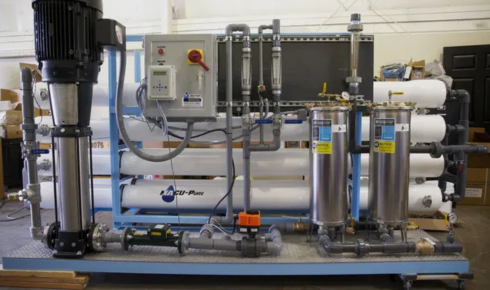
Reverse osmosis systems have become the default recommendation. They’re effective, no doubt about it. But they’re also aggressive. RO removes nearly everything, including minerals that give water its natural taste. It also wastes a fair amount of water and needs regular maintenance.
For homes with extremely high TDS, RO can make sense. But for moderate levels, it’s often more solution than necessary. Water doesn’t need to be stripped bare to be better.
Simple Methods That Still Make a Difference
Before jumping into complex systems, it’s worth looking at simpler habits. Letting water sit in a clean container allows some heavier dissolved particles to settle slightly. Carefully pouring off the clearer water from the top won’t change lab results dramatically, but it can improve taste and clarity enough to notice.
Boiling water is another misunderstood option. While boiling doesn’t eliminate dissolved solids directly, it does help remove temporary hardness by turning bicarbonates into scale that can be filtered out later. It’s not a magic trick—but it’s useful in context.
Filtration That Focuses on Balance, Not Extremes
Activated carbon filters deserve more credit than they get. They’re usually marketed for chlorine and odor removal, but high-quality carbon can also reduce certain dissolved compounds that contribute to high TDS.
For many households, this is the entry point into removing tds from water in a practical, low-maintenance way. It doesn’t waste water, doesn’t require electricity, and improves taste almost immediately. Sometimes, that’s all people were really looking for.
Mixing Water Sources: A Quietly Effective Strategy
Here’s a method that rarely gets talked about but works remarkably well: blending. If you have access to low-TDS water—rainwater, packaged water, or a treated community supply—you can mix it with your regular tap water.
This dilution approach brings overall TDS down without complex equipment. It’s flexible, too. You can adjust ratios depending on taste, season, or testing results. For many families, it’s the most practical answer to the question of how to reduce tds without changing their entire setup.
The Role of Plumbing and Storage
Sometimes, the source water isn’t the main culprit. Old pipes, corroded fittings, and poorly maintained storage tanks can add dissolved solids after the water has already entered your home. Flushing taps after long periods of non-use, cleaning overhead tanks regularly, and replacing aging plumbing can noticeably improve water quality.
It’s not glamorous advice, but it’s effective. And often overlooked.
Testing: The Small Habit That Changes Everything
A basic digital TDS meter costs very little and provides clarity instantly. You can test water before and after boiling, filtering, or mixing sources. Over time, you’ll start noticing patterns—seasonal changes, supply differences, even the impact of plumbing upgrades.
Once you start measuring, you stop guessing. And that’s when decisions become calmer and more confident.
Finding the Right Level, Not the Lowest Number
One of the most important mindset shifts is understanding that lower isn’t always better. Water with zero dissolved solids often tastes flat and unnatural. Minerals, in the right amounts, give water character and even nutritional value.
The real goal is balance—reducing what causes problems while keeping what makes water feel alive. That balance looks different for every household.
A More Relaxed Way to Think About Water
Water doesn’t have to be perfect. It just has to work for you. Taste you enjoy. Appliances that last longer. Skin that doesn’t feel dry after every shower.