
There’s a quiet trust we place in the water that flows from our taps. Whether it’s filling the kettle for a morning brew, rinsing off the day in a warm shower, or cleaning vegetables before dinner, we expect our water to simply be there—and be good. But what if it’s not? What if the water you’ve relied on all this time could be… better?
Cleaner. Softer. Safer. Smarter.
That’s where this conversation begins—not with a problem, but with possibility. Because modern water systems have come a long way. They’re no longer clunky appliances hidden in the basement. They’re intelligent, efficient, and designed to make your water work for you.
Let’s dig into why investing in better water isn’t just for “eco homes” or businesses with fancy filtration rooms—it’s for anyone who values their health, their comfort, and their time.
Water Isn’t One-Size-Fits-All Anymore
Here’s something you don’t hear often enough: not all water problems are the same. Some homes suffer from hard water that leaves dishes spotted and skin dry. Others deal with chlorine-heavy municipal water that tastes like a swimming pool. In more rural areas, well water can carry iron, sediment, or even bacteria.
And yet, many people buy off-the-shelf filters that promise to “fix it all.” That’s like putting a bandage on a mystery rash without knowing what caused it. Maybe it helps. Maybe it doesn’t.
That’s why the best water upgrades today are tailored solutions—designed for your unique needs. The first step is simple: test the water. Find out what’s in it. Then build a system around those specific challenges.
It’s a smarter, more personal approach. And frankly, one that makes all the difference.
The Real-Life Benefits of Better Water
We tend to notice bad water when it tastes weird or leaves stains. But the benefits of clean, conditioned water ripple out in more ways than most people expect:
- Your morning coffee? Richer and smoother.
- Skin and hair? Softer, especially in winter.
- Appliances? Less scaling and fewer breakdowns.
- Laundry? Brighter whites and softer towels.
- Showers? More lather, less soap, better feel.
It’s these little, cumulative upgrades that change your day-to-day. You won’t just see a difference—you’ll feel it.
And once you’ve had better water, going back feels like downgrading.
Commercial Needs, Bigger Picture
If you run a business, water isn’t just part of the equation—it is the equation. Especially if you’re in food service, healthcare, hospitality, or manufacturing.
Restaurants need great-tasting water for beverages and cooking. Hotels need spotless linens and scale-free bathrooms. Clinics rely on ultra-clean water for sanitation. Even salons benefit from softer water that makes hair treatments more effective.
That’s why commercial water systems are in a league of their own. They’re built to handle volume, pressure, and consistency—day in, day out. They’re not just about quality, but also efficiency. Less downtime. Less wear on equipment. More control.
Because in business, poor water quality doesn’t just cause inconvenience. It costs money.
It’s Not Just About Filtration
When most people think “water system,” they picture a filter. And yes, filtration is a huge part of the story. But it’s not the whole book.
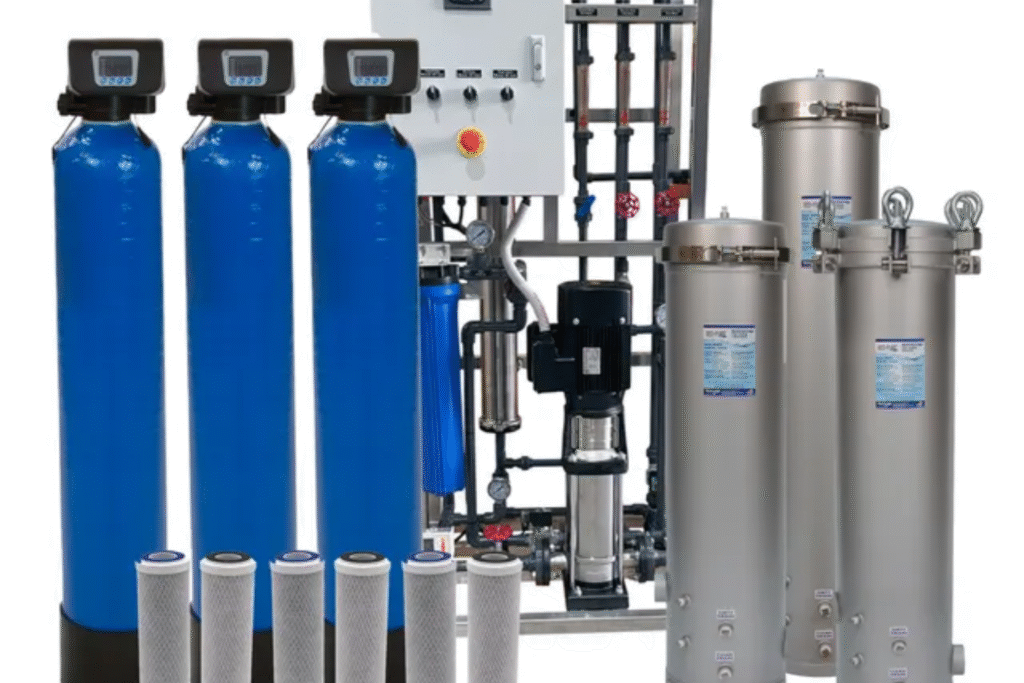
True water conditioning systems often include:
- Sediment filtration (for dirt and rust)
- Carbon filtration (for taste and odor)
- Water softening (removing calcium and magnesium)
- Reverse osmosis (for ultra-purification)
- UV disinfection (for microbial protection)
- Remineralization (for healthy mineral content)
Each plays a role depending on your water’s makeup. Some homes may need a simple softener. Others might benefit from a multi-stage system. It all depends.
And again—this is where tailored solutions prove their worth. You’re not throwing darts blindfolded. You’re choosing what actually solves your water’s problems.
What About Installation and Maintenance?
Let’s be honest—no one wants to babysit a water system.
The good news? Most modern systems are designed to be low-maintenance. Once installed, they do their job quietly in the background. Some even come with Wi-Fi connectivity, alerting you when it’s time to change filters or refill salt.
Professional installation ensures everything’s optimized for flow rate, pressure, and placement. And it also means you get advice tailored to your home or business, not just generic setup instructions.
So yes, you could DIY a few things. But for long-term peace of mind, having the system installed and calibrated by a local expert is a game-changer.
The Environmental (and Financial) Angle
Let’s not forget the ripple effect that better water has beyond your home.
Using less detergent, fewer plastic bottles, and extending the life of appliances—these things add up. Cleaner water reduces wear and tear on everything it touches. That means fewer service calls, fewer replacements, and less stress.
Plus, you’re less likely to reach for bottled water once your tap starts tasting better than store-bought brands. That’s good news for your wallet—and the planet.
Where to Start
If this all feels a little overwhelming, don’t worry. You don’t need to be a plumber or a chemist to get started.
Here’s a simple plan:
- Test Your Water – Many companies offer free in-home testing. Get the facts first.
- Get a Consultation – Talk to someone who knows the difference between city and well water, who’s worked with your area before, and who can walk you through options.
- Think Long-Term – Choose a system that can grow with your family or business, and make sure it comes with a support plan.
- Don’t Wait for a Problem – The best time to improve your water is before you notice something’s wrong.
Final Thoughts: Water That Works for You
We’re quick to upgrade our phones, our thermostats, even our coffee makers. But water? The thing we use every single day? That often gets ignored—until it can’t be.
But the truth is, better water is one of the smartest investments you can make. It supports your health. It protects your home. It improves your lifestyle, quietly and consistently.