
There’s something oddly comforting about a hot shower after a long day — or first thing in the morning when the world’s still cold and groggy. It’s one of those daily moments of quiet bliss we often take for granted. Until, of course, it’s ripped away by a lukewarm trickle and the realization that something’s wrong. That’s when it hits you — your water heater isn’t just an appliance. It’s a lifeline to comfort, cleanliness, and calm.
Whether you’re living solo in a cozy apartment or managing a bustling restaurant kitchen, having the right water heater — and taking care of it — makes all the difference.
Why Plumbing Water Heaters Are More Than Just “Appliances”
When people hear the term plumbing water heaters, their minds often drift to a tank in the garage or a box in the utility closet, humming quietly in the background. But there’s a lot more to these systems than meets the eye. They’re an essential part of your plumbing ecosystem — connected to everything from your shower to your dishwasher, laundry machine, and even your heating system in some setups.
The truth is, plumbing and water heating go hand in hand. If one part struggles, the other feels the pressure. That’s why professional plumbers who understand water heaters — how they interact with your home’s full plumbing layout — are worth their weight in gold. They can spot inefficiencies before they become emergencies, and help you optimize not just your water temp, but your water flow, too.
Keeping the Home Fires Burning with Reliable Household Water Heaters
For families, comfort starts at home. And when you’ve got kids who need nightly baths, a partner who loves long showers, and a washing machine that runs more than you’d like to admit, you need a system that keeps up. That’s where household water heaters earn their stripes.
From traditional tank units to newer tankless options, there’s no one-size-fits-all approach. The key is sizing — too small and you’ll run out of hot water mid-shampoo, too large and you’re wasting energy (and money) heating water you don’t use. The best setups are tailored to your daily rhythms, your square footage, and even your water quality.
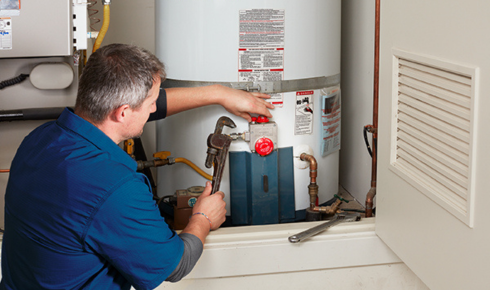
Oh, and regular maintenance? It’s not optional. Flushing sediment, checking pressure valves, inspecting connections — all of this helps extend the life of your system and ensures it works smoothly when you need it most (i.e., every single day).
Hot Water at Scale: The Role of Commercial Water Heaters
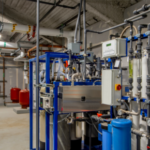
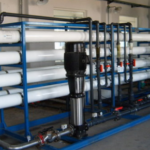
Now take everything complicated about home water heating… and multiply it. That’s the world of commercial water heaters. Whether it’s a hotel with 60 showers running at once, a bakery that needs hot water around the clock, or a gym locker room that sees constant foot traffic, the demands are relentless — and the margin for error? Basically zero.
Commercial systems are built for volume, speed, and durability. They need to recover quickly, resist scale buildup, and be resilient under constant use. And the install? It’s a job for seasoned pros — folks who know their way around BTU ratings, multi-unit systems, and compliance codes like the back of their hand.
If you’re running a business, this isn’t the place to cut corners. A faulty heater doesn’t just inconvenience people — it can lose you clients, health inspection points, or worse, revenue.
Energy Isn’t Cheap — But Efficiency Pays Off
No matter the scale, water heaters use energy. A lot of it. In fact, they’re often the second-largest energy consumer in a home after HVAC systems. That’s why energy efficiency should be at the heart of your decision-making — whether you’re upgrading an old unit or buying for the first time.
Look for Energy Star ratings, high recovery efficiency, and systems with built-in timers or smart controls. Tankless units are getting better every year, and heat pump water heaters are another option for eco-conscious homeowners looking to reduce their carbon footprint without giving up their comfort.
A well-chosen heater isn’t just good for the planet. It’s good for your wallet, too.
Warning Signs That Shouldn’t Be Ignored
Water heaters are humble. They work in silence — until they don’t. And when they start acting up, it’s usually subtle at first. Here are a few signs that mean it’s time to call a pro:
- Water takes too long to heat
- Strange noises (rumbling, popping, hissing)
- Rusty or discolored water
- A sudden spike in energy bills
- Water pooling around the base of the unit
The sooner you catch these, the cheaper the fix. Wait too long, and you’re shopping for a new heater… or worse, repairing water damage to your floors.
A Good Plumber Is Your Best Friend (Even If You Only See Them Once a Year)
Honestly, having a trusted plumber in your contacts list is a life hack. Whether it’s installing a new system, performing yearly flushes, or checking for corrosion before it becomes a problem, a solid pro can save you hundreds — maybe thousands — over the life of your water heater.
They’ll give it to you straight. No upsell. No nonsense. Just what needs doing and when.
Final Thoughts: A Toast to Hot Showers and Silent Heroes
Your water heater may never get the praise it deserves. It won’t win any beauty contests or spark dinner-table conversations. But when it works right? It makes your life better — plain and simple.
Whether you’re investing in new plumbing water heaters, maintaining reliable household water heaters, or operating heavy-duty commercial water heaters, the goal is the same: uninterrupted, dependable, warm-water bliss.
So maybe tonight, as you enjoy your steamy shower, give a little nod to that quiet tank in the corner. It’s been working hard for you — and with the right care, it will keep doing just that for years to come.