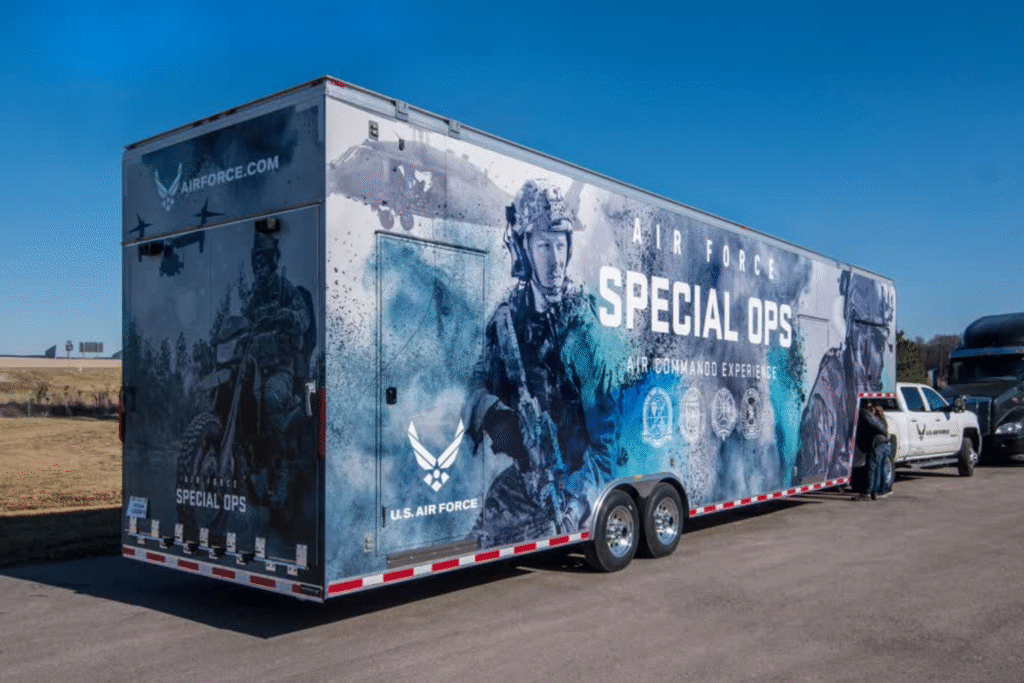

There’s something bold and satisfying about seeing a clean, well-designed branded vehicle cruising down the highway. It’s like a rolling billboard, only more personal. More intentional. It tells a story, speaks for your company, and turns every mile into marketing mileage. But what most people don’t see behind the scenes is the full journey—what it really takes to design, install, manage, and eventually retire a vehicle wrap. Because there’s a lot more to the process than “slap on some vinyl and go.”
Whether you’re managing a single van or an entire national fleet, getting your branding right—and keeping it consistent—isn’t a one-and-done job. It’s a strategic play that demands attention, precision, and a long view.
It All Starts with a Strategy, Not a Sticker
Before anyone rolls a squeegee or prints a design, there has to be a plan. Not just a cool graphic—but a real, thought-out approach that looks at what you want your vehicles to say, who you want to reach, and where those wraps will be seen.
That’s where branding & design enters the picture. This isn’t the time for clipart logos or downloaded templates. It’s about dialing in a design system that reflects your brand voice—from colors and font choices to layout and messaging. It should work on a sedan, a van, a trailer—any vehicle that might join your fleet.
The best wraps don’t just scream for attention; they reinforce your identity. They’re clean, intentional, and readable from both a parking lot and a freeway fly-by. A solid design foundation sets the stage for everything that follows.
Installation: Where Precision Meets Patience
Once you’ve got the look nailed down, it’s time to bring it to life. And this isn’t a DIY project with a hairdryer and a prayer.
Professional wrap installation is its own kind of art. It takes experienced hands to apply large sheets of vinyl to complex surfaces—doors, rivets, windows, curves—without bubbling, tearing, or misalignment.
And not every vehicle’s the same. Different makes and models have different quirks. A good install crew knows how to adjust on the fly without compromising the design. They work in temperature-controlled environments. They prep the surface like it’s sacred. And they take their time.
Because this isn’t just about “sticking vinyl”—it’s about respecting the vehicle, the brand, and the investment you’re making.
Don’t Sleep on the Middle: Managing Graphics Over Time
Now, here’s where many businesses drop the ball. They get the wrap installed, snap a few pictures for social, and then… forget about it. But the truth is, keeping wraps clean, consistent, and coordinated across multiple vehicles takes work.
That’s the heart of fleet graphics management. It’s about tracking which vehicles have what graphics, when they were installed, when they’re due for replacements or touch-ups, and making sure all your branding stays cohesive—even as vehicles rotate in and out of the lineup.
Imagine a fleet with mismatched wraps: one truck’s branding is faded and peeling, another looks sharp and new. Customers notice. Employees notice. That kind of inconsistency chips away at brand perception, even if you’re delivering top-tier service.
Good graphics management ensures that never happens. It brings order to the chaos and keeps every moving piece looking sharp.
Understanding the Full Wrap Lifecycle
We’ve talked about design, install, and management—but let’s zoom out even more. Because wraps aren’t permanent. They have a lifespan, just like tires or oil filters. And managing that lifespan strategically is key to getting the most value out of your investment.
The wrap lifecycle typically runs between 5 to 7 years, depending on the quality of materials, exposure to sunlight and weather, and how well the vehicle is maintained. You want to schedule replacements before the wrap looks tired—not after it’s cracking or curling at the edges.
And when it comes time to remove it? That’s a process in itself. Aged vinyl can become brittle or overly adhesive, making removal more difficult (and potentially damaging to the vehicle). Working with experienced pros ensures the removal is clean, safe, and leaves the vehicle in good shape—either for resale or a fresh new wrap.
So, it’s not just about installing a wrap. It’s about planning for the whole journey—from creation to retirement—and building in the systems to manage that journey smoothly.
Small Details, Big Results
Let’s be real: most people don’t think about vinyl edge seals or whether the wrap goes into the door jambs. But these tiny choices matter. They affect durability, longevity, and even how professional the finished vehicle looks.
Customers might not notice why your van looks better than someone else’s, but they’ll feel it. Subtle differences in quality can elevate your brand perception across the board.
And here’s another thing: wraps protect your paint. That’s right. A high-quality wrap acts as a shield against UV rays, road debris, and even small scratches. When the wrap comes off, the paint underneath is often in better shape than if it had been exposed all along.
Keeping Up with Change
Businesses evolve. You launch a new product. Your logo gets a refresh. You expand into new cities. And your fleet branding needs to keep up.
When your wraps are managed with intention, updates become opportunities—not headaches. Swapping out a tagline or adding a new service line shouldn’t mean a total redesign. With modular templates and solid records of past installs, updates can be fast, affordable, and seamless.
This agility is what separates companies that grow smoothly from those that fall into branding chaos every time a change happens.
The Takeaway: Treat Your Wraps Like Assets, Not Afterthoughts
If there’s one big idea here, it’s this: vehicle wraps are more than just decoration. They’re a long-term branding asset. And like any asset, they need planning, maintenance, and thoughtful management.
From the early stages of branding & design, through installation and fleet graphics management, all the way to the end of the wrap lifecycle, each step plays a role in how your business shows up in the world.
Done right, your vehicles aren’t just tools—they’re ambassadors. They speak for your brand. They work for you 24/7. And they leave a lasting impression.
Final Thought: The Road Is Watching
Every time your wrapped vehicle pulls into a neighborhood, sits at a stoplight, or passes someone on the freeway—it’s being seen. That’s a moment of contact. A tiny brand touchpoint. And over time, those moments add up.