
We’ve all been there. You turn on the tap to fill your glass or run a bath, and bam—something smells off. Maybe it’s a bit like rotten eggs. Maybe it’s metallic. Maybe it just smells… weird. Whatever the case, one thing’s for sure: water isn’t supposed to stink. If you’re noticing a smell in faucet water, don’t panic—you’re far from alone. It’s a common issue, and luckily, there are ways to deal with it. Let’s unpack the why, the how, and the “what now.”
First Things First: What’s That Smell?
Okay, so your water smells. But what does it smell like? That little detail tells a big story.
- Rotten egg smell = Hydrogen sulfide (often from bacteria in your pipes or water heater).
- Metallic scent = Possibly iron, manganese, or copper (yep, from the pipes).
- Musty or earthy = Could be algae or mold—gross, but treatable.
- Chlorine odor = Your water utility might be overdoing the disinfecting.
If you’ve ever wondered how something as simple as water can suddenly turn into a science experiment, well, welcome to the invisible world of plumbing and water sources.
The Silent Culprit: Aging Plumbing and Sediment Buildup
Let’s get real—pipes don’t last forever. Older plumbing systems, especially in homes built before the ’80s, can develop rust, mineral deposits, or biofilms (bacterial slime, basically). When water passes through that muck, it picks up odors. This isn’t just a nose issue—it can mean your water quality’s taking a hit too.
If you’re in an area with hard water (hello, chalky residue on everything), the problem might be worse. Minerals and sediments settle in your heater or pipes, becoming breeding grounds for bacteria. They love the warm, dark nooks in your water system. It’s like Airbnb for microbes.
Water Heaters: The Unsuspecting Smell Machines
If the smell only shows up when you run hot water, there’s a solid chance your water heater is the culprit. Many heaters contain a magnesium or aluminum anode rod designed to prevent corrosion. Great in theory—until those rods start reacting with sulfur bacteria. The result? That signature “rotten egg” aroma. Not so great in practice.
You can swap those rods out for ones made of zinc or powered anode types. Or flush the tank. If you’re not the DIY type, a local plumber can do it fast and without fuss.
Water Sources: Not All H2O is Created Equal
Where your water comes from matters—a lot. If you’re on well water, the odds of organic compounds, bacteria, and sulfur content go way up. Municipal water users aren’t totally in the clear either. Even treated water can carry trace elements or interact with your home’s pipes in funky ways.
That’s where water filtration really shines. A good system isn’t just about removing “bad stuff”—it’s about making your water taste and smell clean again. You’d be shocked at how many people think their water is “fine” until they try filtered water… then they can never go back.
Enter the Fixers: Odor Removal Systems
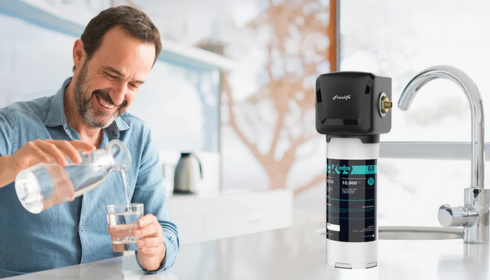
Now, if you’re tired of guessing or covering up the stink with citrus-scented soaps, it might be time for something more permanent. Odor removal systems are a game-changer. These aren’t your run-of-the-mill pitcher filters. We’re talking about full-house or under-sink units that use activated carbon, UV light, or oxidizing agents to neutralize bacteria and chemical smells right at the source.
Some systems go beyond the basics. They tackle iron, sulfur, manganese—stuff that’s tricky and stubborn. Bonus? Many of them improve water taste and clarity, too. So, it’s not just a fix—it’s an upgrade.
Quick Wins While You Figure It Out
Not ready to overhaul your entire setup? Here are a few band-aid tricks that can help in the meantime:
- Run the tap: Sometimes smells come from stagnant water sitting in pipes. Let it flush.
- Clean the faucet aerator: Bacteria and debris love hanging out there.
- Boil it: Not ideal for daily use, but boiling water can kill odor-causing bacteria.
- Lemon trick: A slice of lemon in your faucet filter isn’t a fix, but it can mask the smell in a pinch.
These aren’t long-term solutions, but they’ll hold you over while you research the bigger fix.
Let’s Talk Filters (But Keep It Real)
Filters have come a long way from the clunky pitchers we all used in college. Today’s options range from sleek countertop models to serious under-sink filtration beasts. Some even connect directly to your main water line. If you’re dealing with specific smells, though, don’t just grab the first filter you see.
Each smell tells a story, and each filter solves a specific problem. A charcoal filter might help with chlorine or earthy scents. A reverse osmosis system? Better for metals and broader contamination. Know your enemy, and choose your weapon accordingly.
A Word on Health (Because It Matters)
Sure, no one wants their water to smell like a swamp, but is it dangerous?
Most of the time, probably not. A weird smell doesn’t always mean your water is unsafe. But sometimes—especially if bacteria or heavy metals are involved—it can be a red flag. If the smell is sudden, strong, or accompanied by taste changes, get your water tested. Better safe than sorry.
The Bottom Line: Water Shouldn’t Stink
At the end of the day, water is something we all need every single day—whether it’s for drinking, cooking, showering, or brushing our teeth. If yours smells funky, you don’t have to just live with it. There’s a cause, and—more importantly—there’s a fix.
From simple cleanups and temporary hacks to full-blown odor removal systems, you’ve got options. And if the issue runs deeper, investing in proper water filtration could be one of the best home upgrades you make this year. Because let’s face it—nothing should get between you and a clean glass of water.