There’s something undeniably satisfying about having your own well. It feels independent in a way that city living rarely offers. You’re not relying on municipal pipelines stretching miles away. You’re drawing water directly from beneath your own land — something that feels both practical and deeply rooted in tradition.
But along with that independence comes a responsibility many homeowners don’t fully grasp at first.
Unlike public water systems that are monitored constantly, private wells depend entirely on the people who use them. And when everything works smoothly, it’s easy to forget that a complex system is quietly operating beneath the surface.
It’s only when something changes — a strange taste, discoloration, or unexpected pressure drop — that you realize how much attention your water source actually requires.
Understanding the Complexity Beneath the Surface
At first glance, well water might seem simple. It comes from the ground, flows through a pump, and reaches your taps. But in reality, modern well water systems are surprisingly intricate.
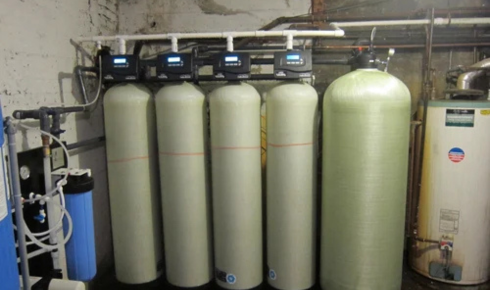
They include pumps, pressure tanks, filtration units, electrical components, and protective casings — all working together to deliver safe, consistent water. Each part plays a specific role, and if one element fails, the entire system can be affected.
Related brief: Why Better Water Starts With Smarter Filtration at Home
Over time, natural shifts in groundwater conditions, seasonal changes, or mechanical wear can influence performance. That’s why regular maintenance isn’t just recommended — it’s essential.
Many homeowners learn this the hard way, after experiencing sudden water outages or unexpected repair costs. But those who stay proactive often enjoy decades of reliable service with minimal disruptions.
Why Regular Water Checks Matter More Than You Think
One of the biggest misconceptions about well water is that if it looks clear, it must be safe. Unfortunately, that’s not always true. Many contaminants — including bacteria, nitrates, and certain minerals — are completely invisible.
This is why routine water testing is so important for well owners. Testing provides detailed insight into what’s actually present in your water, allowing you to address issues before they become serious.
Experts typically recommend testing at least once a year, though more frequent checks may be necessary after heavy rainfall, nearby construction, or noticeable changes in taste or appearance.
What surprises many homeowners is how reassuring testing can be. Instead of worrying about unknown risks, they gain clarity and confidence in their water quality.
And that peace of mind is often worth far more than the testing process itself.
The Challenge of Iron in Well Water
Among the most common well water issues is excess iron. While iron isn’t usually harmful at typical levels, it can cause frustrating and highly visible problems.
You might notice reddish stains on sinks, metallic tastes in drinking water, or laundry that comes out with rust-colored spots. Over time, iron can also clog plumbing fixtures and reduce appliance efficiency.
That’s where specialized iron removal solutions come into play. These systems use filtration or oxidation processes to eliminate iron particles before they reach household plumbing.
Once installed, the improvement is often immediate. Water runs clear, stains disappear, and appliances operate more efficiently.
For many homeowners, addressing iron isn’t just about appearance — it’s about restoring water to a state that feels clean and usable again.
The Emotional Side of Well Ownership
Beyond technical considerations, there’s a deeply personal aspect to maintaining a private well.
Your water source becomes something you actively manage and protect. It’s not just another utility — it’s part of your property, tied to your daily life and long-term well-being.
This connection often creates a sense of stewardship. Homeowners develop routines around maintenance, testing, and monitoring that gradually become second nature.
Over time, what once felt like a complicated responsibility often turns into a quiet source of pride.
There’s something satisfying about knowing that every drop flowing from your tap comes from a system you understand and maintain yourself.
Building Habits That Keep Water Reliable
The key to successful well ownership lies in consistency rather than complexity. Small, regular actions can prevent most major issues.
Routine inspections, timely filter replacements, and staying alert to subtle changes in water pressure or quality make a significant difference over time.
Many experienced well owners say the same thing: the system rarely fails without warning. It usually provides clues — small shifts that signal the need for attention.
Learning to recognize those signs can save both money and stress in the long run.
A Thoughtful Ending: Respecting the Source Beneath Your Feet
Living with well water is a unique experience. It offers independence, cost savings, and a deeper connection to natural resources. But it also requires awareness and care.
Maintaining a well system isn’t just about equipment. It’s about respecting the water source itself — understanding that this invisible resource supports every aspect of daily life.
When managed properly, a well can provide decades of reliable, high-quality water. It becomes more than just a utility — it becomes a trusted part of your home’s foundation.