There was a time when “clean water” simply meant clear water. If it looked fine, smelled okay, and didn’t leave anything floating in your glass, most of us didn’t question it.
But things have changed a bit.
These days, people are paying closer attention—not out of fear, but out of awareness. We’ve learned that what you can’t see in water sometimes matters just as much as what you can. And that realization has quietly shifted how homeowners and businesses approach water quality.
It’s no longer just about appearance. It’s about confidence.
The Invisible Side of Water Quality
One of the more interesting things about water is how deceptive it can be. It can look perfectly clear and still carry microorganisms, dissolved compounds, or contaminants that don’t affect its appearance at all.
That doesn’t mean your water is unsafe—but it does mean there’s more going on beneath the surface than most of us realize.
For some, this becomes important when relying on well water. For others, it’s about adding an extra layer of protection to already treated municipal water. Either way, the focus shifts toward solutions that address what isn’t immediately visible.
And that’s where things get a bit more technical—but also more reassuring.
Adding an Extra Layer of Safety
When people start thinking beyond basic filtration, they often come across ultraviolet systems. At first, it sounds almost futuristic—using light to treat water.
But in reality, it’s quite straightforward.
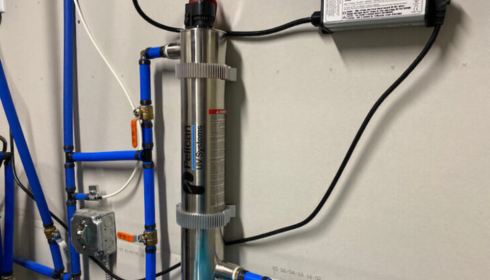
A UV disinfection install uses ultraviolet light to neutralize bacteria, viruses, and other microorganisms without adding chemicals to the water. It doesn’t change the taste or smell; it simply works quietly in the background, targeting things you wouldn’t otherwise notice.
For households or businesses concerned about biological contaminants, this can be a meaningful addition. Not because something is necessarily wrong, but because it adds a layer of certainty.
And sometimes, that’s exactly what people are looking for.
When Basic Filters Aren’t Enough
Standard filters do a great job handling common issues—sediment, chlorine, maybe even some odors. But water isn’t always that predictable.
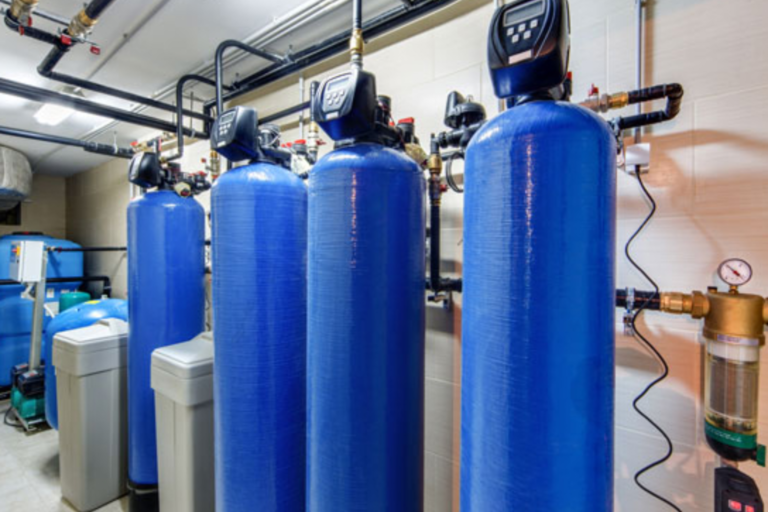
In certain areas, you might deal with iron, sulfur, tannins, or other specific challenges that require a more focused approach. That’s where a specialty filtration setup becomes relevant.
These systems aren’t designed for everyone. They’re built for particular conditions, targeting specific problems that generic filters might miss.
What’s interesting is how effective they can be when matched correctly. A system designed for iron removal, for instance, can completely change how water looks, smells, and behaves. The same goes for sulfur or organic compounds.
It’s less about adding complexity and more about choosing precision.
Why Installation Is Where Everything Comes Together
You can have the right equipment. The right plan. Even the right intentions.
But if the system isn’t installed properly, things tend to fall apart.
Water pressure might fluctuate. Filtration might be inconsistent. Components might wear out faster than expected. These issues don’t always show up immediately, which makes them even more frustrating when they do.
That’s why professional installation plays such a critical role. It’s not just about putting pieces together—it’s about understanding how those pieces interact within your specific plumbing setup.
An experienced installer considers flow rates, pressure levels, placement, and integration. They look at the bigger picture, not just the individual components.
And when everything is aligned correctly, the system works the way it’s supposed to—quietly, reliably, without drawing attention.
The Balance Between Simplicity and Precision
There’s a common misconception that better water systems are always more complicated. More stages, more equipment, more maintenance.
But that’s not necessarily true.
The goal isn’t to build the most advanced system—it’s to build the right one. Sometimes that means a simple setup that addresses your main concern. Other times, it involves layering solutions for broader coverage.
What matters is balance.
A well-designed system feels straightforward. It handles what it needs to handle without becoming a burden. And most importantly, it fits into your daily routine without requiring constant attention.
The Subtle Benefits That Build Over Time
Improving water quality isn’t always about dramatic changes. In fact, many of the benefits are easy to overlook at first.
Water tastes better. Showers feel more comfortable. Appliances run more efficiently. These are small shifts, but they add up over time.
And then there’s the peace of mind.
Knowing that your water has been treated thoughtfully—whether through filtration, disinfection, or both—creates a sense of confidence that’s hard to quantify but easy to appreciate.
It’s one less thing to worry about in a world that already has plenty of them.
Where to Begin Without Feeling Overwhelmed
If you’re considering upgrades like UV systems or specialty filtration, it’s easy to feel like you’re stepping into unfamiliar territory.
So start simple.
Pay attention to your water. Notice any patterns—taste, smell, staining, or other changes. These clues often point you in the right direction.
From there, testing your water can provide clarity. It doesn’t have to be complicated, but it helps you understand what you’re actually dealing with.
And once you have that information, decisions become easier. More grounded. Less guesswork.
A Final Thought That Feels Grounded
Water is one of those things that works best when you don’t have to think about it.
It flows, it supports your routine, it does its job quietly in the background.
The goal of any system—whether it’s UV disinfection, specialty filtration, or something simpler—is to get back to that point. Where water feels reliable again.
Not perfect. Just dependable.
And sometimes, that’s exactly what makes the biggest difference.