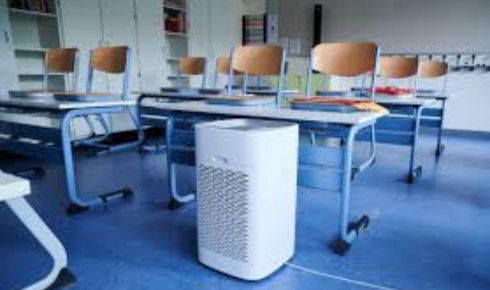

There’s something you notice the moment you walk into certain places. It’s not always visual. Sometimes, it’s the air itself. It feels light, easy to breathe, almost invisible in the best way. And then there are spaces where the air feels… stuck. Heavy, a bit stale, like it’s been sitting there longer than it should.
You don’t always think about why. You just feel it.
For a long time, I didn’t pay much attention to it either. Air was just there—part of the background, like walls or ceilings. But once you start noticing how it moves (or doesn’t), it’s hard to ignore.
When Air Stands Still, You Can Feel It
Think about a room that hasn’t been opened up in a while. Windows shut, doors closed, everything sealed tight. Even if it looks clean, there’s something missing.
Movement.
That’s where fresh air circulation becomes more important than people realize. It’s not just about opening a window for a few minutes—it’s about creating a steady flow, a rhythm where air doesn’t just sit but travels through the space.
When air moves properly, everything feels different. The room feels alive again. Odors fade faster, humidity balances out, and there’s a kind of clarity that’s hard to describe but easy to notice.
It’s one of those things you don’t appreciate until it’s gone.
Breathing Isn’t Just Automatic—It’s Experiential
We breathe all day without thinking about it. It’s automatic, effortless… until something interferes.
Maybe it’s a slight tightness in your chest. Maybe you wake up with a dry throat or a stuffy nose. These aren’t always signs of illness. Sometimes, they’re just your environment speaking to you.
That’s why the idea of respiratory health support has started to shift beyond hospitals and clinics. It’s moving into homes, offices, everyday spaces where people spend most of their time.
Cleaner, better-circulated air doesn’t fix everything—but it reduces the strain. It gives your body one less thing to fight against.
And honestly, that can make a bigger difference than we often acknowledge.
It’s Not Just Homes—Workspaces Matter Too
We tend to focus on air quality at home because it’s personal. It’s where we rest, where we recharge. But think about how much time people spend in offices, shops, or commercial buildings.
Hours and hours, every day.
That’s where commercial air quality becomes a bigger conversation. Not just for comfort, but for productivity and well-being. A space with poor air can feel draining, even if you can’t pinpoint why. Concentration drops, energy dips, and people start to feel it by the end of the day.
On the other hand, a well-ventilated space feels easier to be in. You stay focused longer. You don’t feel that same mental fog creeping in halfway through the afternoon.
It’s subtle, but it’s real.
The Balance Between Sealed and Breathable Spaces
Modern buildings are designed to be efficient. Insulated, sealed, controlled. That’s great for energy use, but it can come at a cost.
Air gets trapped.
Without proper movement or filtration, the same air keeps circulating, carrying with it whatever particles, moisture, or odors are already present. It’s like reusing the same breath over and over again.
Finding the right balance is key. You want efficiency, but you also want your space to feel breathable. Not airtight in a suffocating way, but comfortable in a natural way.
Small Changes That Shift the Atmosphere
The good news is, improving air doesn’t always require major renovations or complicated systems.
Sometimes, it’s as simple as paying attention.
Opening windows more intentionally. Ensuring vents aren’t blocked. Checking that your ventilation systems are actually doing their job. Even rearranging furniture to allow better airflow can make a difference.
These aren’t dramatic changes. But they add up.
And over time, they shift how your space feels.
The Kind of Comfort You Can’t See
What’s interesting about air is how invisible it is. You can’t decorate it, can’t point to it, can’t really show it off. But it influences everything.
How well you sleep. How comfortable you feel during the day. Even how welcoming your home feels to others.
And when it’s right, you don’t notice it at all.
Which, in a way, is the goal.
A Quiet Reminder
We spend so much time improving what we can see—furniture, lighting, colors. But the unseen elements often have just as much impact, if not more.
Air is one of those elements.
It doesn’t ask for attention, but it deserves it.
Because when the air in your space moves the way it should—when it feels fresh, balanced, and easy—you feel it too. Not in a dramatic way, but in a steady, reassuring one.
And sometimes, that’s exactly what makes a space truly comfortable.