You know that unsettling feeling when you hear the faint sound of water, but everything looks… dry? Or when your water bill creeps up for no apparent reason? Yeah, we’ve all been there. Whether it’s a mystery puddle under the sink, damp drywall, or just that nagging sense that something’s off, it’s easy to feel overwhelmed. But here’s the thing—your plumbing is talking. You just need to know how to listen.
That’s where pressure testing, leak detection, and a bit of good old professional insight come in. This isn’t just about fixing pipes. It’s about protecting your home, your wallet, and your peace of mind.
The Silent Threat Beneath the Surface
Leaks aren’t always dramatic. Sometimes, they’re quiet. They hide behind walls, under slabs, or deep inside a crawl space. And while they don’t make much noise, they’re causing slow, sneaky damage every day. Mold, structural decay, spiked utility bills—it adds up, fast.
That’s why the first line of defense isn’t always the wrench. It’s knowledge. And one of the most powerful tools in a plumber’s arsenal today? Pressure testing services.
Why Pressure Testing Services Matter More Than You Think
Let’s say your home is brand new. Or your plumber just finished repiping a section of your bathroom. Everything looks good—clean tiles, shiny faucets. But how do you know the system behind the walls is airtight?
Related brief: Why Better Water Starts With Smarter Filtration at Home
Pressure testing is like giving your plumbing a lie detector test. It involves pumping air or water into the system at controlled levels to see if it holds. If the pressure drops? Bingo. There’s a leak somewhere.
This kind of service is especially vital during new construction or after major plumbing repairs. It confirms that your pipes can handle real-world usage before you move in, remodel the kitchen, or throw that big housewarming party. Because nothing ruins a celebration quite like a soggy ceiling.
The Hunt for What You Can’t See: Hidden Leak Detection
Now, here’s where things get a little techy—and a lot cool.
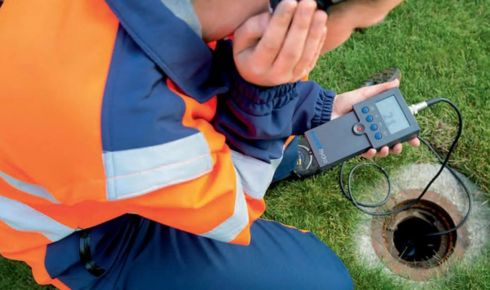
Back in the day, finding a leak meant guesswork, holes in drywall, and lots of head-scratching. Today? Not so much. With infrared cameras, acoustic sensors, and moisture meters, specialists can pinpoint a leak without tearing your house apart.
Hidden leak detection is about combining experience with cutting-edge tools. A thermal imaging scan can reveal temperature differences behind walls, showing where water might be seeping. Acoustic sensors “listen” for the subtle sounds of dripping or spraying water inside pipes. It’s like detective work, but for homes.
This kind of detection doesn’t just save time—it saves money. Less damage during the inspection means fewer repairs and faster fixes. And when you’re trying to maintain a clean home or avoid expensive surprises during renovation, that’s a game-changer.
Residential Leak Detection: It’s Not Just for Emergencies
Here’s a misconception: “Leak detection is only needed if there’s a visible problem.”
Not true.
In fact, residential leak detection is something every homeowner should consider proactively—especially if you live in an older property, notice damp smells, or see fluctuations in water pressure.
Sometimes, it’s the slow leaks that do the most damage. A drip from a pipe behind the wall won’t flood your living room, but give it six months, and you could be dealing with mold remediation and drywall replacement.
Routine leak checks as part of your home maintenance plan can save you thousands in long-term costs. Think of it like dental cleanings—annoying? Maybe. But way better than a root canal.
Real-World Signs You Might Have a Leak (Even If You Can’t See It)
Let’s get practical for a moment. Wondering if you should call in a pro? Here are a few red flags:
- Your water bill suddenly jumps, but usage hasn’t changed.
- You hear dripping or rushing water when everything’s turned off.
- Mold or mildew smells are coming from strange places.
- Warped flooring or peeling paint appears out of nowhere.
- The water meter moves when no water is in use.
If any of this rings true, don’t wait. Even if you can’t spot the problem, it’s worth investigating before it becomes a financial headache.
The Cost of Ignoring It
Nobody wants to spend money on plumbing. It’s not exactly a sexy upgrade. You don’t get to show it off like a new kitchen backsplash. But when you ignore leaks or skip testing, the price tag down the road is often much, much higher.
Water damage isn’t just about replacing pipes. It can mean structural repairs, mold cleanup, ruined flooring, lost valuables, and even health risks. And insurance? Let’s just say they’re not always eager to cover what could have been preventable.
Leak prevention isn’t just a technical service. It’s a form of home insurance—without the paperwork.
What to Expect from a Leak Detection Specialist
If you’ve never worked with a leak detection company before, here’s how the process usually goes:
- Initial inspection – A technician checks your property based on your concerns.
- Testing – They use pressure testing, sensors, or thermal imaging to locate the issue.
- Diagnosis – You’ll get a clear report of what’s wrong and what it’ll take to fix it.
- Repair (if needed) – Some companies offer in-house plumbing fixes; others may refer you out.
Reputable professionals won’t just poke around and shrug. They’ll use smart tools and explain the process so you’re in the loop the whole time.
Final Thoughts: Listen to the Signs
Leaks aren’t always dramatic. Sometimes they whisper. Sometimes they linger just under the radar, quietly undermining your comfort and your home’s value. But if you listen—really listen—you can catch them early.
Pressure testing, modern tools, and professional know-how can turn a potential nightmare into a minor fix. And in the world of homeownership, that’s about as good as it gets.
So next time something feels off, don’t brush it aside. Trust your gut. Call the pros. And rest a little easier knowing your walls aren’t hiding any soggy secrets.